Showing posts with label Patent Law. Show all posts

Thursday, October 27, 2022

Can a Provisional Patent be Licensed in India?

 Patent Rights are exclusive rights granted by the concerned government authority or Patent Office to the inventor of a novel and original innovation, essentially providing a technical solution to an existing problem. Other than the inventor owning the exclusive patent rights, any other individual or entity is forbidden from manufacturing, distributing, selling, importing, or monetizing the patented invention.


However, with due authorization sanctioned by the rightful patent owner, a third party is allowed to manufacture, distribute, sell, import, or monetize a patented invention - and this process is called Patent Licensing. In simple terms, it refers to permitting some third party to extract benefits from a patented innovation by its proprietor. The third party involved, in return, has to pay a stipulated amount, as agreed upon by both parties, also called the royalty fee, to the patent proprietor. Consequently, the third party obtains the license to manufacture, distribute, sell, import, or monetize the patented invention in exchange for a royalty fee.

As mandated by the Patents Act of 1970, the terms and conditions of a patent license are to be duly written and signed over an agreement or contract. The owner of the patented invention is the licensor, and the third party to whom it gets licensed is the licensee. The patent license agreement usually mentions the duration the licensee can enjoy the patented invention.

Licensing a Provisional Patent

Although a patent owner would be willing to use and commercialize his patented invention for personal benefits, it is common to license it out to another individual or entity in exchange for a royalty fee. Patent licensing is carried out legally through a licensing agreement or contract with specific terms and conditions based on the consensus of the parties involved. Although patent licensing agreements are drafted after the invention has been patented, the question of whether or not a provisional patent can be licensed is pretty striking. The simple answer to the said question is a yes. Licensing out a provisional patent is possible. However, whether licensing out a provisional patent can be profitable to the parties involved might vary from one case to another.

There are no stringent timelines in India that can be adhered to when we talk about patenting an invention; it might take around 03 years or so. Or if the inventor decides to file through the expedited route, it might take at least 1.5 to 02 years to get an invention patented.

In many circumstances, the back-to-back office actions and the delay in filing responses by the inventors lead to severe backlogs. Therefore, it makes sense for the patent applicant or inventor to try every possible way of commercializing the invention while it is still with the concerned authorities or patent office awaiting its fate.


After filing the provisional patent application, the applicant or inventor attaches the tag of 'Patent Pending' to the product and starts commercializing it. Doing the same helps notify other competitors that the product can't be infringed upon and that it shall soon be patented.

Provisional Patent Application for Products

Why should licensing products not be possible if marketing the products after filing the provisional patent application is possible? The onus in this scenario is on the patent applicant or the prospective owner to convince the licensee that Patent Protection over the product shall be obtained soon and that the product is worth the royalty even before the patent gets granted.

It is imperative to note that the chances of licensing a provisional patent are pretty high when the patent applicant has a prototype, if not the real product. Furthermore, the fact that a provisional specification in itself doesn't constitute a patent must be remembered.

There might be a situation where the patent might get rejected, and it should be taken into consideration while drafting the patent licensing agreement based on the provisional patent application. In such circumstances, the obligation of the licensee to pay the royalty ceases.

Another way the patent applicants can license a provisional patent application successfully, without being affected by the drawback mentioned above, is by giving the licensee access to the technical know-how and trade secret of the invention while stating that a patent would only be an added advantage to the other two, i.e., the technical know-how and trade secret.

The patent licensing opportunities of a provisional patent undoubtedly depend on the value of the invention in question. Moreover, an invention can be licensed as a trade secret before filing a provisional patent application.

While a provisional patent application can be licensed, one has to keep in mind that it is not a patent per se. Therefore, the patent applicant has to draft the provisional application in harmony with the patent claims that shall eventually be drafted in the full patent specification.

Friday, May 6, 2022

Second Medical Use Claims

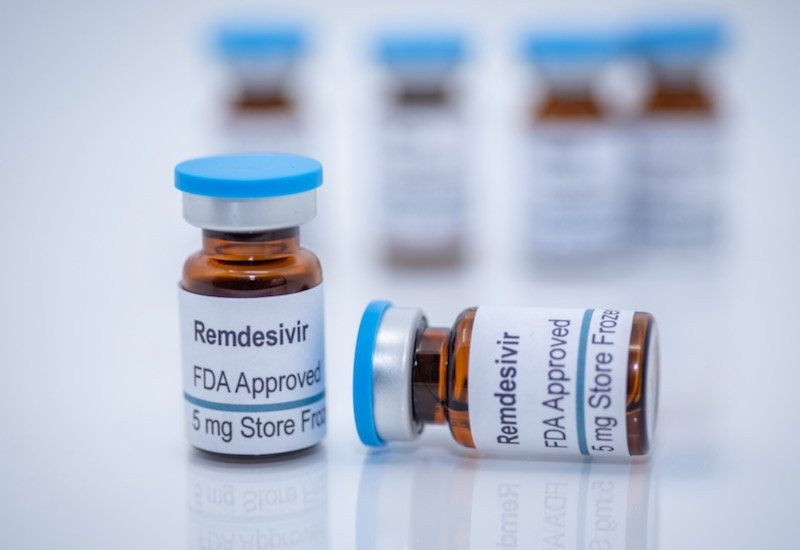
 The repurposing of drugs to find immediate solutions for new diseases is witnessed commonly in the pharmaceutical sector. In recent times, the same is instead a frequent instance to treat flues and viruses, as also perceived while identifying the solution for the Big-C, the 'Coronavirus.' The antivirals used to cater to diseases like HIV and SARS were clinically tested to adjudge their efficacy in the fight against COVID-19. Remdesivir, which was earlier utilized for the treatment of Ebola, is now used as a dose of Coronavirus vaccine. Similarly, acetylsalicylic acid, often known as Aspirin, was developed by Bayer in the year 1897 to treat pain and fever. However, it is now also utilized as an effective cardiovascular medicine that decreases the chances of suffering a heart attack or stroke. While the Patent Law safeguards the exclusive rights of an invention's proprietor up until a specific specified period, it also protects new uses of known drugs. Let us find out how.

Can a Patent be Sought for Second Medical Use Claims?

When a substance or composition is already known for primary medical use, it may still be safeguarded as a patent for a second or subsequent medical use; however, the proprietor must prove that such use is novel and inventive. Furthermore, such patents should be meticulously drafted and litigated.


There are several instances where existing medicines are being developed for new medical uses. Consider the following examples:

  • Sildenafil citrate, which is primarily used for heart and vascular diseases, came to be later marketed as a drug for erectile dysfunction.
  • Finasteride, primarily meant for the treatment of prostate disorders, was at a later stage found to be effective in the treatment of androgenetic alopecia.
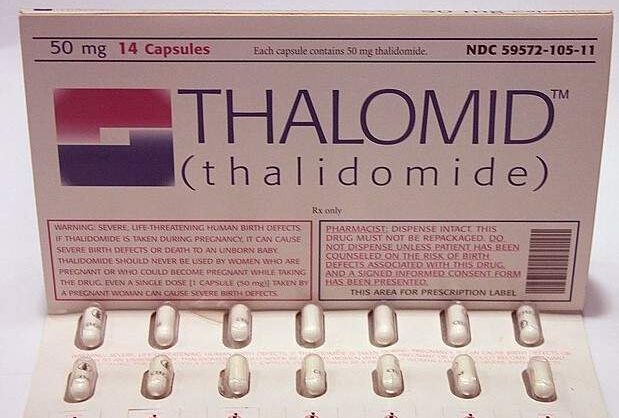
  • Thalidomide was patented for respiratory infections; however, its second use was found to help relieve morning sickness in pregnant women. Also, it was discovered to be useful in the treatment of diseases like leprosy and cancer.

The European Stance on Second Medical Use Claims

Second medical use claims were not permitted until a fairly long period in Europe. However, after 1984's landmark G5/83 decision, second medical use claims began to be acted provided they were written in the 'Swiss-type' format depicting:

"Use of Compound X for the manufacture of a medicament for use in the treatment of Disease Y."


This legal trend of the Swiss-type format was then substituted by the "purpose-related product claims" since it became the new mandate after the EPO Enlarged Board appealed the landmark G2/08 decision. A purpose-related product claim should be in the format depicting:

"Product X for use in the treatment of Disease Y."


The second medical use patent may address the following concerns:


  1. The use of a known drug to treat a new disease ("Known drug/new disease")

In most patent claims, the phrase "for use" is interpreted as "suitable for use." However, second medical use claims are an exception to this generality and are fully use-limited product claims. They can be used for the treatment of multiple diseases by covering them in a single claim, but the treatment of all such diseases must form a single general inventive concept as stipulated under Art. 82 EPC.

  1. The use of a known drug to treat a known disease using a new therapeutic method ("Known drug/known disease/new therapeutic use")

A second medical use claim can also be filed for the treatment of the very same disease in the form of providing a new therapeutic method in the form of a new dosage regime, administration mode, or patient group, as also provided under G2/08.


Issues Surfacing Second Medical Use Claims

Lord Justice Floyd once said, "Whilst it is widely recognized that there are valuable, sometimes life-saving inventions, which are made through the discovery of the new use of a known drug, their protection in patent law is problematic." Let us look into these problematic concerns.


The main reason for claiming a second medical use patent is to prevent third parties and competitors in the market from infringing upon the proprietary rights of the inventor. However, generic drug manufacturers are often seen flouting the laws to seek commercial gains. To prevent such acts of infringement, it is a settled law that purposeful arrangement should be proven. The purposeful arrangement can be understood as a form of use wherein there is a recommendation in the form of a packaging insert, labels, or on medical information slips or prescriptions, which are distributed along with the drug.


Also, it is considered infringement only if the generic manufacturer intends to use the second medical use claims for the treatment of the patented indication, proving which is undoubtedly an uphill battle. Therefore, generic manufacturers adopt the following measures to prevent being trapped in a series of endless litigations:

  • Using "skinny labels" by carving the patented indication from the medical leaflet, which comes along with the medicine;
  • "In-label use" - the use in an indication that is mentioned only generically on the label and not in the specific form that is patented; or
  • "Off label-use" - the use in an indication for which the drug has not received regulatory approval.


Furthermore, the problem heightens when we look at certain jurisdictions that do not offer any protection to second medical use claims. It includes countries like those in Latin America. Even mass producers of generic medicines like India do not afford any rigid and concrete protection against such patents.


Conclusion

It should be understood that inventions in the domain of pharmaceuticals involve great capital expenses and abundant research and development initiatives. Bringing a new molecule itself does not cost any less than one billion, and therefore, this time-consuming process is cushioned if second medical use patents are safeguarded. It is a relatively cheaper route; however, qualifying clinical trials of all stages is yet another elaborate affair. Therefore, laws should address the infringement issue of second medical use patents to protect these claims adequately while also keeping misuse like doubt patenting and illicit activities under check. It shall be interesting to observe how lawmakers juggle around this issue to afford better and affordable protection.

Monday, August 24, 2020

What Impact Does a Patent Race have on Innovation?

 When we talk about patents, timing undoubtedly matters. In case two inventors are working on the same invention, then the one who reaches the Patent Office first holds the upper hand. The best example of a patent race is - Elisha Gray and Alexander Graham Bell filing the Patent Application for the telephone on the same day. Bell received the patent, started a successful company, and is now synonymous with the telephone; on the other hand, only a few people remember Gray. For quite a while now, economists have been using patent races as a classic example of how firms innovate in a highly competitive environment. Let us now gain more valuable insight into the role of a patent race in the real world.


Winning the Patent Race

It is a matter of fact that yes - a patent office keeps the patent applications secret for sometime after they are filed. The same implies that two companies or firms may end up filing a patent application for the same innovation while not realizing that the other also filed. As per various reports and surveys conducted, a patent race has a significant impact on innovation both in terms of magnitude and direction. Winners, in this aspect, do 14% more follow-on innovation, and losers, in contrast, are near about three times as likely to abandon their innovation. The ones that keep going have to invent around and find some other technical paths to overcome or avoid the patent coverage of the winner.

If we consider the importance of winning a patent race, it won't be surprising to learn that firms in highly contested technology areas (where a patent race is frequent) do more R&D and file many patent applications. Furthermore, they usually patent in smaller steps instead of waiting until bigger milestones are achieved.

Who all are running in the Patent Race?

The patent racing behavior is surprisingly frequent - with somewhere around 10-11% of all the patents becoming a part of the race. In a few technology areas, a patent race occurs even more frequently; for instance, 13% of the patents in communications are in a patent race and 16% in computing, while, in comparison, only 5% of the patents in biotechnology are there in a patent race. There are various reasons, which explain the frequency of patent racing in these areas. In general, the patents in communications and computing are considered weaker, in contrast to the ones in biotechnology. Moreover, companies in fields like biotechnology avoid entering a patent race by either collaborating with the competitors or researching the already existing areas to minimize the risk of paying for expensive medical trials. To be specific, they don't wish to end up without patent coverage.

Bottom Line

All the points mentioned above prove that a patent race is indeed prevalent in the real world and is crucial for innovation. Without any second thoughts, winning a patent race protects the innovators, which, in turn, enables them to take their research agenda to the next level. On the other hand, a patent race deflects the losers, causing them to do less follow-on work and having to 'invent around' the winners.

Ref: https://www.kashishworld.com/blog/what-impact-does-a-patent-race-have-on-innovation/ 

Friday, December 13, 2019

The Importance of Patent Search before Filing the Patent Application

Though quite often overlooked, a Patent Search is indeed a valuable tool that can help the inventors and innovators to a great extent in saving money, time, and effort and avoiding the common pitfalls involved in patent prosecution. Under the United States Patent Law, the invention has to meet the patent requirements for even the Patent Application to be considered. The invention has to be non-obvious, useful, new, and subject-matter eligible. After coming up with their innovations, the inventors wish to dive straight into the patent application process. They believe that since the invention isn't there in the market yet, it automatically meets the said requirements. Unfortunately, this isn't the scenario. With somewhere around 40 million patent documents already published across the globe and a million more added to this number every year - only a small fraction of these inventions end up reaching the market. The reasons behind the same may vary, with the most general one being the inventor failing in addressing the issues at the stage of patent research, disclosure, evaluation, protection, marketing, or licensing. Additionally, there is an increase in the number of patent applications filed as well. As per the reports issued by the World Intellectual Property Office (WIPO), in 2017, international patent applications had increased by 4.5% to 2, 43,500.


Not all the applications filed are successful in receiving a patent grant. The journey beginning from the conception of a unique idea to getting the patent registered can be a costly, time-consuming, and arduous affair. Therefore, it is highly advisable to be on the right track since the starting and conduct a patent search to get a clear idea of what kind of technology already exists. Undoubtedly, it will help the inventor in ensuring whether investing any further in his or her invention would prove to be fruitful in the long run or not. Furthermore, it is also imperative to make sure that your innovation is not infringing upon any already existing IP.

AVOID EXPENSIVE INVESTMENT DECISIONS

Without any second thoughts, filing a patent application, at the beginning itself, costs a lot more than conducting an adequate patent search beforehand. Going ahead with filing the patent application without knowing whether your invention meets the patentability criteria or not - makes no business sense at all. The consequences can be harsh in the long run, due to which, the inventors must analyze the results of the patent search before it is too late.

IMPROVE THE PATENT APPLICATION

By becoming a lot more familiar with the literature available in the field of inventions and innovations, the inventors can use the knowledge to their advantage and further implement strategies to draft the patent application. It will help the inventors by increasing the chances of getting the patent registered and also make the invention "litigation-proof" in the future.

GAIN A COMPETITIVE EDGE

One of the most intriguing benefits of conducting a patent search is investigating the already existing patents and the pending patent applications. By doing the same, inventors can gain useful insights into their competitors' corporate strategies and offerings and then accordingly make the business decisions. Technology maps, created as per the data obtained via the patent search, are specifically useful in this sense as they provide a precise visualization of the R&D expenditure and diversification of the competitors.

FINAL THOUGHTS

It is quite evident now that patent search has a significant role to play in the IP Protection puzzle. Despite the initial investment made, an inventor can save quite a lot of headaches down the road. Moreover, even if the inventor is an expert in this field and believes that his or her invention is unique and original in all aspects, there are still any great ideas that have been disclosed in patents and are not yet known to most of the people around the world.

Ref- https://www.kashishworld.com/blog/the-importance-of-patent-search-before-filing-the-patent-application/

Monday, December 2, 2019

Protecting Ideas and Innovations Using Three Types of Intellectual Property (IP)

For protecting an idea so that someone else can't steal it, it is essential to secure one or more of the different forms of Intellectual Property (IP). Quite often, every invention begins as its owner's trade secret. Hence, there is a need to go ahead with Trademark Registration, Patent Protection, or Copyright Registration and have Intellectual Property Protection in hand before marketing the innovations or inventions. Most of the people around the world are not aware of the fact or haven't yet fully realized that they can protect their innovations using various forms of IP. Let us consider an example to have a better understanding of this concept. The brand 'Coca-Cola' is a trademark; its recipe is a trade secret; Copyright Protection is there on its packaging art, and its bottle or Can are protected by both a design patent and trademark in the form of trade dress. In the same manner, your unique product or invention can also seek protection by more than one type of IP. It is imperative to parse out which aspects of your innovation are suitable for Trademark Protection, patent protection, and copyright protection, respectively.


TRADEMARK

Safeguarding a brand's name deserves the utmost importance as one would never want to invest time and money at a later stage after finding out that someone else is already using his or her registered mark. A trademark is a name, symbol, or sign associated with a product or service and is known to protect a brand. To be specific, a trademark is anything that helps the customers in identifying a product or its source. Moreover, other things like color, sound, or smell can serve as a trademark too. The most common types of trademark include logos, watermarks, and slogans. If you are planning to go ahead with trademark registration, start by protecting the wordmark first and then seek trademark protection for the other aspects of your product as a part of your overall marketing and business strategy.  Besides, it is highly advisable to conduct a thorough search before filing a Trademark Application and ensure that nobody else is using a similar mark.

COPYRIGHT

Almost every product can seek copyright protection for at least one of its aspects. For instance - the images or words on the product's packaging, its label, and the product itself; can all be protected with a copyright. A few advantages of copyright registration include that the process is inexpensive, and the copyright is comparatively easier to secure. Copyright protection extends to the original and creative works of authorship that are fixed in a tangible medium of expression. It implies that creative or innovative works have been either written or drawn on paper, saved on an electronic storage device, or preserved in some other tangible format.
A few examples of copyrightable works include videos, articles, movies, books, software, and photos. Copyright protection doesn't extend to ideas or useful items, which fall under patent protection. It is a matter of fact that yes - software is a functional item, yet it can get copyright protection due to the creativity involved in the entire process of selecting, ordering, and arranging multiple pieces of code in the software.

PATENT

A patent offers an owner or inventor the exclusive rights to his or her invention and excludes others from using, selling, manufacturing, distributing, or licensing the product until the term of patent protection. Generally, a patent is defined using three attributes, namely, newness, non-obviousness, and usefulness. Patent protection helps in establishing a healthy market position as your new idea or invention can prove to a great differentiator among your business competitors. Also, you can commercialize the concept to earn higher returns on your investment. An interesting thing about receiving a patent is that even if you don't have enough time to exploit your invention, you can still license or sell it for generating a new income stream. Without patent protection, the world economy shall become a place of less creativity, innovation, and discovery.

Ref- https://www.kashishworld.com/blog/protecting-ideas-and-innovations-using-three-types-of-intellectual-property-ip/

Thursday, October 3, 2019

Activists Urge Narendra Modi to Protect Drug Patent Rules

In India, the patients' rights advocates have recently asked Prime Minister Narendra Modi to decline any US proposal put forward to dilute the country's Patent Protection and price control regulations. The advocates argued by saying that such proposals may pose a serious threat to India's ability to provide affordable medical treatments, devices, and medicines to its people. Ahead of Modi's planned visit to the United States, he received a letter on September 20, 2019, from these public health groups, which also asked him to protect the Indian government's right to impose price caps on medical equipment and medicines. The letter shows the concern among the patients' rights advocates and public health groups regarding India's discussions of a possible trade agreement with the US, which may lead to changes to India's price control mechanisms and drug control regulations on medical devices and drugs.


The Patent Law in India allows the manufacturers to produce quite inexpensive generic versions of several drugs, ranging from anti-viral medications for HIV infections to anti-cancer medicines. The letter has further highlighted that India’s health ministry, state governments, and millions of its people are highly dependable on the affordable generic medicines, vaccines, and devices, which are domestically produced, and prevent and cure both communicable and non-communicable diseases. The signatories to the letter include the Cancer Patients’ Aid Association, the All India Drug Action Network, the Jan Swasthya Abhiyan (People’s Health Movement), and various other non-government organizations in the health sector. In 2017, the Modi government had imposed price caps on hip implants and coronary stents, which angered many sections of this industry that were demanding differential prices as per the characteristics and features of the medical devices.

The health groups also stated that various sections of the US industry are urging India to replace such price caps with rules and regulations that curb trade margins. The All India Drug Action Network said that the attempt to protect trade margin rationalization is a backdoor attempt to neutralize the price caps, which shall prove to be the most effective way of making critical medical devices and treatments accessible to the patients in the country.

In response to a US move to withdraw quite a few trade benefits to Indian exporters earlier this year, the Indian government had safeguarded its right to protect the public interest. The government stated that India would always uphold its national interests, like the US and other nations, and they aspire for better standards of living by keeping in mind the development imperatives and concerns of people. The public health groups have urged Narendra Modi to uphold this stand on a serious note.

Tuesday, September 10, 2019

Protecting Software Innovations – Copyrights Or Patents?

Computer programs or software refer to the instructions executed by a computer. It takes a lot of time, skill, labor, and hard work to develop computer software, which is in the form of source codes and object codes. In today's highly competitive business environment, software innovations have an enormous market value and hence can be copied and used by unauthorized people. Therefore, it is highly advisable to protect the software either under Copyright Law or Patent Law, which at times can be a tough decision to make.


PROTECTION OF SOFTWARE INNOVATIONS UNDER COPYRIGHTS AND PATENTS

Patents or copyrights are the legal forms of Intellectual Property Rights (IPR), which can protect the owner's software source code, invention, or idea. It often becomes necessary for every software developer or designer to choose between a patent and copyright. For making a choice, the developer has to think about what he is protecting. The question is, whether the developer is protecting the code or the idea and process of the software. Obtaining the registration of patents and copyrights are two very different processes and might also change what the owners want to do with their software.
Under the law, both copyrights and patents protect software from theft and infringement. However, each one protects a different part of the software. For instance, patents protect the idea while copyrights protect the written code. Additionally, copyrights don't protect the idea behind the source or object code. To be specific, copyrights don't protect ideas, processes, procedures, and systems, methods of operation, concepts, discoveries, or principles. Software patents, on the other hand, are utility patents (and not design patents), that protect a process, machine, an article of manufacture, a composition of matter, or improvement on an already existing utility.

ADVANTAGES OF SOFTWARE PATENTS OVER COPYRIGHTS

Patents granted for software inventions prevent unauthorized users from utilizing a specific algorithm or creating new software programs (which perform the patent-protected functions), without any explicit permission. On the other hand, copyrights protect only the expression of the idea, i.e., the source code and not the functionality. Therefore, it won't be wrong to say that patents offer a much broader range of protection.
Some of the significant contrasting features between these two forms of Intellectual Property Protection are listed below:
  1. Patents protect the functional aspect of a software invention, whereas copyrights protect only the idea and concept behind the software.
  2. Copyright Protection extends for the owner's or author's lifetime plus an additional period of 60 years, whereas patents last for 20 years.
  3. Software patents are difficult to get, whereas Copyright Registration takes only a few months.
CONCLUSION
Whether any software program or piece of code involves an inventive aspect or not, it must seek protection under Copyright Law. However, the dilemma to obtain Patent Protection arises when there is an invention in a software product or process. In such circumstances, the owner should explore the option of protecting the software invention with a patent as they offer much broader and stronger protection than copyrights.

Ref: https://www.kashishworld.com/blog/protecting-software-innovations-copyrights-or-patents/

Understanding the Concept of Destination Branding through Trademark Protection

 The hospitality industry of India has undoubtedly become an exceedingly crucial service provider across the nation. Due to the increase in ...