Showing posts with label Intellectual Property. Show all posts

Wednesday, August 31, 2022

Vroom in the Automobile Industry Fueled by Intellectual Property Rights

 The transportation industry majorly contributes to employment numbers and the GDP of a nation. In the EU, it accounts for 5% of their GDP, and in the USA, it accounts for 7.7% of their GDP. Since the transportation industry plays a dominant role in a nation's growth and development, businesses must safeguard their interest in this industry. In this article, we shall discuss the various alternatives that businesses should consider while seeking protection under various forms of Intellectual Property Rights (IPRs).


Trademarks
In simple terms, a trademark refers to a word, symbol, letter, sign, or a combination of words or designs that enable the identification and differentiation of products or services of one from those of others. The rights under trademarks are afforded by domestic Trademark Laws, federal laws (where applicable), and common laws. The registration of such marks affords the proprietor of such rights to exclusively use the mark for the defined products or services in the particular place where the registration has been sought.


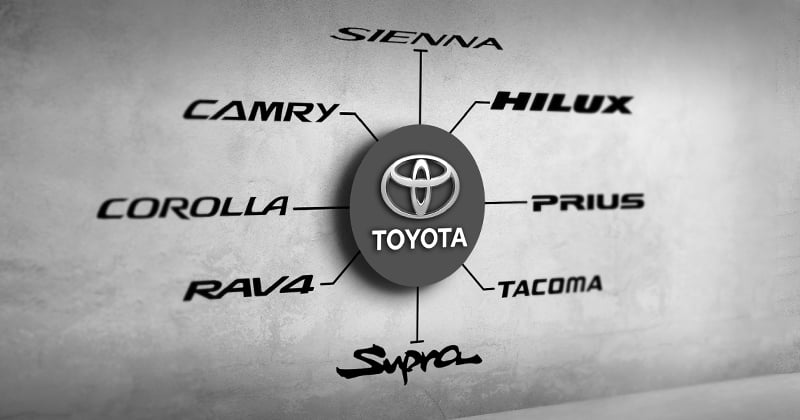
Particularly in the transportation sector, a trademark may be utilized to reserve rights over several products or services belonging to a single entity. The same shall deem useful to protect the parent brand and the subsidiaries. Consider the example of the famous automobile giant originating from Japan, namely, Toyota, where Toyota is the prime brand and the other subsidiaries like Lexus, Ranz, and Daihatsu are safeguarded by trademarks.


Copyright

Copyright is vested in original works of authorship fixed in a tangible medium of expression. Like, any IPR, Copyright Protection can be availed under domestic copyright legislation or common law. However, only registered copyright can avail of the remedies enlisted in the respective legislation.


In the transportation industry, several crucial elements may be safeguarded via copyright. The same includes website content and display, software source code, and instruction manuals.


Patents

A patent may be obtained by inventors of new and useful inventions that are non-obvious to the person skilled in the art. Such rights give the inventor the exclusive right to use the invention while excluding others from making, using, selling, offering to sell, or importing into the jurisdiction where such protection has been obtained over the patented subject matter for a limited time.


Patents are significant and pivotal in the transportation industry since they provide an edge in the market and an advantage for first-move makers. Developing a patent landscape in such an industry can also aid the R&D process to converge strategic efforts in an invention's development.


Industrial Designs

An industrial design is a property right that is available to someone who has invented any new, original, and ornamental design for a product. It safeguards the aesthetics of a product and not its utilitarian features. Furthermore, Industrial Design Registration provides the proprietor with the exclusive right to the three-dimensional (3D) shapes and configurations and two-dimensional (2D) features of a product or service. Therefore, it may be utilized to protect either the entire product or a segment of it.


In the transportation sector, it can be used to complement Patent Rights over an invention by safeguarding the look and feel of the automobile or a part of the automobile.


Trade Secrets

Trade secrets include the ideas, know-how, and other significant information valuable to the business, like the names of trusted contractors or suppliers or information on the internal operation of a business that sets apart one entity from others. Such information should not be publicly available or known to others.


In the transportation sector, such confidential information is safeguarded by the mode of entering into legally binding agreements of non-disclosure. Where two entities are involved in a collaborative effort, it may also be beneficial to cross-license or exchange trade secrets under mutual circumstances.


Uber's Resolve to Protect Intellectual Assets

Uber has been utilizing IPRs since 1996 as a strategic tool to maintain an edge in the market while also building a niche. It has safeguarded several visual manifestations of its brand in the form of logos and icons. In 2016, it changed its logo to depict flexibility and brand fluidity. It also utilized the protection under utility Patent Law to safeguard its business methods.

Initially, patents registered in favor of Uber dealt with the dynamic adjusting of prices for availing its services, diagnosing a location related to on-demand services via the use of portable computing devices, and providing information related to the position of goods in transit to a computing device.


Later on, Uber's patents were observed to be filed on aspects based on splitting the fare for an on-demand service, optimizing the selection of drivers for requests of transportation, providing notifications to devices based on real-time conditions related to an on-demand service, and assistance related to trip planning and implementation.


However, tracing the recent developments, Uber's patents are more focused on autonomous vehicles with features like advancing remote assistance to an autonomous vehicle, an autonomous vehicle operated with guide assistance of human-driven vehicles, an autonomous vehicle with independent auxiliary control units, an intelligent lens masking system, etc.


Conclusion

As seen from the discussion hereinabove, innovation in the transportation industry is ever-evolving and focuses on developing a more efficient, safe, and consumer-friendly approach. Therefore, industries, companies, and start-ups need to be aware of the significance of safeguarding their innovative products and processes while also building on their brand value and image by securing IPRs to boost the commercial value of their inputs in the automobile industry.

Monday, December 13, 2021

The Big Deal in the Realm of Patents: From TPP to CPTPP

 The provisions concerning Intellectual Property Rights (IPRs) were rationalized by the enforcement of the Agreement on the Trade-Related Aspects of Intellectual Property Rights (TRIPS). In addition to this Agreement, since all countries, developed and developing, alike have substantially grown and witnessed development in the manner of implementing provisions for providing in times of health crisis, TRIPS-plus measures have been adopted by some member states. To remove any barriers obstructing access to medicines, the Doha Declaration on TRIPS and Public Health and the WTO 2005 Ministerial Declaration introducing Art. 31bis in the TRIPS Agreement were implemented. For fostering better protection, preferential trade agreements (PTA) have also been concluded, of which the Trans-Pacific Partnership and later, the Comprehensive and Progressive Agreement for Trans-Pacific Partnership (CPTPP) have been adopted.


What is the Trans-Pacific Partnership (TPP)?

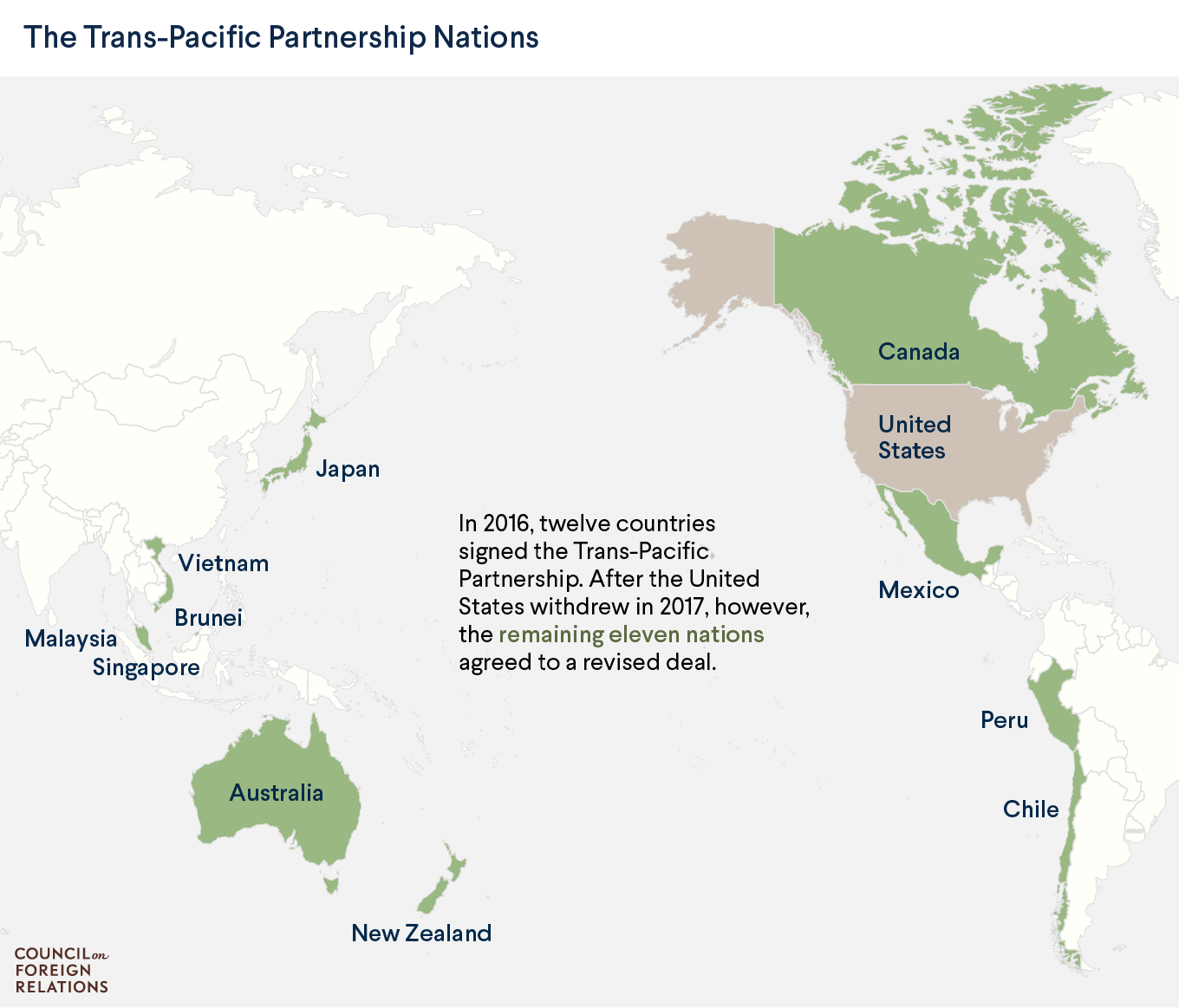
The Trans-Pacific Partnership is essentially a Trade Agreement that is wide in scope to include within its ambit twelve Pacific Rim countries, inclusive of the United States. The Agreement was the master plan of US President Barack Obama; however, it lingered on until Trump assumed presidentship. Due to Donald Trump's decision to withdraw the United States from the world's largest free trade deal, which comprised about forty percent of the entire global economy, the other eleven countries moved ahead while embracing a few changes in the original deal. The new deal came to be known as the Comprehensive and Progressive Agreement for Trans-Pacific Partnership (CPTPP).

The TRIPS Agreement provided for minimum and common standards of protection of IPRs. It also provided that any additional protection may be afforded to complement the provisions within it. In such light came the TPP, which contained provisions on patentability, patent extension, test data exclusivity, and patent linkage that could adversely affect access to medicines. It had the following characteristic features:

  • It broadened the protection for smell, sound, and color trademarks. It also limited marking to protect the use of common food names.
  • It gave additional protection to the trade secrets by proposing criminal sanctions for cyber theft and theft of other trade secrets.
  • It extended protection over undisclosed test data submitted for regulatory approval of pharmaceutical, agrochemical, or biological patents.
  • It also emphasized that the term of protection for copyright shall be set to a minimum of seventy years after the life term of the author of the original work.
  • It also expressed that the patents surrounding biotechnology shall be given extended protection since a majority of the patent term is lost in getting prior approval. Thus, for pharmaceuticals, at least five years of protection shall be mandated, and for agrochemical, the duration shall be at least ten years.

Delving into the Comprehensive and Progressive Agreement for Trans-Pacific Partnership (CPTPP)

The Comprehensive and Progressive Agreement for Trans-Pacific Partnership (CPTPP) or the TPP11 is a trade agreement between eleven countries, namely, Australia, Brunei Darussalam, Canada, Chile, Japan, Malaysia, Mexico, New Zealand, Peru, Singapore, and Vietnam, marking up to 13 percent of the world's Gross Domestic Production (GDP).

The CPTPP can be realized as an improvement of the TPP Agreement since it sought to regain a balance in the provisions dealing with IPRs to serve good not only to the interest the United States may have had but also to the other eleven members. It contains a comprehensive chapter on IPRs that establishes the standard of protection of IPRs across the Asia-Pacific region at a regional scale. It aims to provide for a common set of IPR rules to encourage investment and procuration of new ideas and cater to the growth of creative and innovative industries while also addressing the issue of piracy and counterfeits. The obligations are introduced in the following areas:

  • In the Field of Patents: The parties to the CPTPP agreed to introduce flexibility provided for in the TPP that allowed patent-term adjustment and its tenure restoration to make good for the delays in obtaining marketing approval. However, it did not define what would constitute an act leading to curtailment of the actual term of the patent, which may lead to ambiguity in the enforcement of such measures. It marks the first Free Trade Agreement (FTA) to have included biologics within its ambit to ensure a longer duration (05years/07years) of protection in line with its objective to ensure data exclusivity.
  • In the Field of Copyright: It suspended the obligations provided for in the TPP concerning the term of copyright and related rights. It also suspended the provision dealing with the payment on copyright and related rights, the provision on technological protection measures, and rights management information. The CPTPP also agreed to suspend the provision concerning encryption programs carrying satellite and cable systems. Therefore, the CPTPP does not require Internet Service Providers (ISPs) to monitor, report, or penalize Copyright Infringement.

The Comprehensive and Progressive Agreement for Trans-Pacific Partnership (CPTPP) and Public Health

The major impact of CPTPP is aimed at public health and nutrition, thereby aiming to promote access to medicines. It impacted innovation in the pharmaceutical sector. The key features that facilitate access to health and the facilities thereof are as follows:

1. Patentability Criteria:

In addition to the requirement of the invention being new, involving an inventive step, and having some industrial utility, there are a few additions required to be made in a signatory's domestic legislation. Parties are required to make patents available for either of the following if not all:

  • New uses of a known product;
  • New methods of using a known product; or
  • New processes of using a known product.

It enhances the scope of protection, which may be available to pharmaceuticals.

2. Redefining Pharmaceutical Patents:

Concerning pharmaceuticals, a new pharmaceutical product means a "product not containing a chemical entity previously approved in a member state." It also provides that any unnecessary delays in seeking the approval of pharmaceuticals shall be avoided, and therefore, such measures shall be adopted that would help expedite the processing of marketing approvals.

3. Provision Regarding Test Data Exclusivity:

For maintaining the test data exclusivity, the Partnership Agreement provides that such information shall be safeguarded from any third person who has not obtained the consent of the originator of such information to market the invention or a similar product for at least five years. 

It may have significant loopholes and pitfalls in addition to the possible gains since, on the one hand, it enables and furthers the idea of public health by ascertaining Patent Protection in favor of the patent holder; however, it may prevent or delay the entry of generics. The few takeaways of the CPTPP are summarized below:

  • Low Patentability Standards - It is also known as secondary patenting. Such low standards may be alarming as one single Active Pharmaceutical Ingredient (API) or product may be protected by several patents.
  • Patent extension guarantees that there is no adverse impact of delayed implementation of patents. However, if the term of the original patent is extended by such a partnership agreement, the availability of low-cost generic products may be delayed. Also, such a provision will not enable any improvement for developing countries having unequipped Patent Offices.
  • The provision of patent linkage that provides a member party with the option to deny the generic version to market the patented product where the same is in force unless the act is authorized by the patent holder can be observed as the grant of additional protection to pharmaceutical companies against generics. It may, on the one hand, hamper the introduction of generics into the mainstream market, while on the other hand, it may also prevent substandard products from entering the market by regulating effective control. Furthermore, it may also slow down the Patent System by enforcing stringent measures to curb Patent Infringements, which may not work in favor of developing countries.

Concluding Remarks

The CPTPP is a TRIP-plus standard that has practical implications on the member states. However, since the CPTPP is an agreement laying common grounds, it may act as a level playing field. It would be interesting to observe in the coming years how such preferential trade agreements turn out to be in the long run in their endeavors of achieving healthy and affordable medicines since it is clear how the entry of generics and biosimilars may be delayed. The cost of enforcement may be affordable for developed nations, but it may be an additional challenge for other signatories.

Monday, December 6, 2021

TRIPs vs. Convention on Biological Diversity: Rivals or Partners?

The Convention on Biological Diversity (CBD) and the Agreement on Trade-Related Aspects of Intellectual Property Rights (TRIPS) of the World Trade Organization (WTO) have significant implications for the nexus of Intellectual Property Rights (IPRs), biodiversity, and associated knowledge systems. CBD requires parties to safeguard biodiversity and the traditions and knowledge of the indigenous and other local communities associated with this biodiversity. It also lays down the basic elements for access to biodiversity resources and associated knowledge systems. The TRIPS Agreement obliges member states to modify their national IPR regimes to meet much-enhanced international standards, which can have significant implications for biodiversity and the associated knowledge systems. It is often said that there is a direct conflict between TRIPS and CBD. It needs to be checked whether the two threaten each other or work hand in hand.


Objectives of the Agreements

The TRIPS Agreement

The main objectives of the TRIPS Agreement are:

1.     Establishing adequate and effective levels of protection for IPRs; and

2.     Reducing distortions and impediments to international trade from differing standards of protection. 

The TRIPS Agreement lays down minimum standards for Intellectual Property (IP) protection in several areas. As to inventions, Article 27.1 requires Member Countries to grant patents in all areas of technology without discrimination. Article 27.2 provides a general exception to this. A WTO Member need not grant patents for inventions objected to as being contrary to public order or morality, which includes inventions that would damage the environment. 

Nevertheless, such objections must be serious enough to make it necessary to ban the exploitation of the inventions in the Member's territory. Article 27.3 further allows exceptions for plants, animals, and essentially biological processes. However, TRIPS requires some effective protection for plant varieties, whether by patents or otherwise ('Sui Generis' protection, such as plant breeders' rights under UPOV).


CBD

The main objectives of CBD are:

1.     Protecting the biodiversity; 

2.     Promoting its sustainable use; and 

3.     Sharing the benefits of such use equitably between providers and users. 

CBD recognizes that some genetic resources have commercial potential. The Convention's measures go further than encouraging benefit-sharing. They are designed to vigorously promote activities (including co-operation in research and development and private investment to develop genetic resources) needed to create the products or technologies that will give rise to benefits to be shared. Thus, the Convention includes provisions that are based on voluntary co-operation and voluntary licensing of rights and which require respect for IPRs (i.e., Article 16).

The Convention also explicitly recognizes and supports "adequate and effective protection" for IPRs (Article 16.2). It reflects the understanding reached during CBD negotiations, as per which, in technology transfers under CBD, IP must be respected. CBD was explicitly tailored to avoid a conflict with the other major instruments dealing with IP Protection, namely, the then-nascent TRIPS agreement.

Areas of Conflict

The primary area of conflict is that while CBD assigns sovereignty in biological resources to the countries that possess them, TRIPS allows these resources to be patented. Within one country, the state's sovereignty takes precedence, and the CBD framework may prevail. But between a foreign IPR holder and a sovereign state, the state's jurisdiction is limited and cannot countervail the IP rights holder. It is, therefore, argued by many that TRIPS takes away rights that are given by CBD. Furthermore, the concern is that patenting of genetic resources encourages unsustainable use and also encourages 'biopiracy.'

Also, TRIPS states that patents must be provided for all fields of technology; therefore, the use or exploitation of biological resources must be protected by IPRs. There is no mechanism for sharing benefits between a patent holder in one country and the donor of material in another country from which the invention is derived. CBD, on the other hand, gives developing countries a legal basis to demand a share of benefits. TRIPS does not have any provision requiring prior informed consent for access to biological resources, which may subsequently be protected by an IPR. CBD gives states the legal authority to diminish the incidence of biopiracy by requiring prior informed consent. TRIPS ignores this authority and thus promotes biopiracy.

The safeguarding of public health and nutrition, and the public interest in general, shall be subject to the private interest of IP rights holders as reflected in the provisions of the TRIPS Agreement. Parallelly, CBD places the public interest and common good over private property and vested interests. TRIPS is directly contradictory to this.

Resolving the Conflict

IP protection per se does not contribute to the preservation of biological diversity (except perhaps in a few instances where the deposit of biological material for patent purposes helps to preserve ex situ what subsequently becomes lost in situ). However, it seems beyond doubt that it can help to encourage uses, including sustainable uses of biological material, in the same way as IP protection helps to encourage all novel uses. Above all, it can contribute to equitable sharing of the benefits of such use. Economists tell us that most of the benefits of innovation (particularly agricultural innovation) go ultimately to consumers. IPRs provide a method of recovering some of these benefits from consumers by way of higher prices. These benefits are then available, at least in principle, not only for paying for research and development but also for sharing with the providers of essential biological materials. Without IP protection, such benefits cannot be recovered.

Finally, it should be noted that if any of the provisions of CBD and the TRIPS agreement were found to conflict, it would be the TRIPS Agreement that controls for state parties to both treaties. Under the Vienna Law on Treaties, the agreement either later (in time) or clearer and more specific on the issue will control. In the case of the TRIPS Agreement and CBD, both factors would result in the TRIPS Agreement controlling for state parties to both treaties.

Best Practices

TRIPS and CBD can work as partners in the long run. For ensuring that both the agreements work hand in hand, the following best practices need to be followed:

  • Recognize that CBD has primacy over the WTO, specifically in biodiversity and traditional knowledge systems.
  • Ensure that the review of the TRIPS Agreement allows sovereign states to exclude all life forms and related knowledge from IPR systems. 
  • Urgently recognize a priori collective rights of indigenous people and local communities over their biodiversity and related knowledge.


Tuesday, October 19, 2021

Opting for Open Innovation

In the present times, where technology has advanced another foot forward and taken a leap in the future, the interdependence of rights to arrive at innovative solutions is nothing unfamiliar. It is a common practice that allows Research and Technological Developments (RTDs) and Research and Technology Organizations (RTOs) to learn from others and implement better ideas. In such a scenario where open innovation models are becoming a common trend of how companies deal with their Intellectual Property (IP) assets, it becomes crucial to analyze the modus operandi of such models.


What is Open Innovation?

There are two models of innovation, namely:

  • A Joint and Collaborative Model: In such a model, the assets of an entity are limited in number, and for developing knowledge, an exchange of information for the benefit of both parties is sought by creating a collaborative community. It is usually witnessed in many IT companies and even in consortia of universities to accomplish their common research goals.
  • A Competitive Model: As the name suggests, this model focuses on extensive and robust protection of all assets held by the entity, tangible and intangible, to prevent any exchange of information to maximize monopoly and personal profits accruing to it. This model is a competitive approach to keep third parties at bay, as is observed in the industry related to video gaming.

The open innovation model is the exact opposite of a closed model, where the enterprise relies on itself and its resources to conclude an entire innovative process internally. Open innovation is not synonymous with the "Do It Yourself" (DIY) mechanism. It instead utilizes resources gathered through internal operations and external absorptions from different sources of knowledge by collaborating and joining hands with R&D participants other than itself to develop creative solutions. It is also called 'crowdsourcing' or 'co-creation' projects. The concept was the brainchild of Henry Chesbrough, who wrote the book titled 'Open Innovation: The New Imperative for Creating and Profiting from Technology,' in which he observed:

"Open innovation is a paradigm that assumes that firms can and should use external ideas as well as internal ideas, and internal and external paths to market, as the firms look to advance their technology. Open innovation combines internal and external ideas into architectures and systems whose requirements are defined by a business model. The business model utilizes both external and internal ideas to create value."

Since there is a multiplication of several Intellectual Property Rights (IPRs) belonging to different proprietors, there is no true monopoly of any individual actor, and the contributions are shared. It is a useful alternative to conventional internal projects since the sophistication of technology has led to a substantial rise in the cost of R&D activities and production. Therefore, in simple words, open innovation helps make use of the external knowledge made available for better management of the internal knowledge to extract benefits out of IP assets.

Comparing Open Innovation with Closed Innovation

Open Innovation ModelClosed Innovation Model
It aims at building a better and strong business model rather than being the first to market goods.Extensive protection of IP assets could lead to commercial advantage for making the first move in the market.
It helps utilize internal and external sources of knowledge to build innovative solutions through collaborative efforts.Internal knowledge is rigorously protected and safeguarded without any external influence.
Since there is a multiplication of the source of knowledge, the field experts having varied knowledge must be brought together to realize the entire operation.Since the source of knowledge is central and internally held, there is a need to protect and utilize the same strategically.
External R&D practitioners hold a significant value as it is a collaborative venture.There is complete control over the R&D process, starting from the first stage of discovery to commercializing the same.
The returns or benefits are shared as per a pre-stipulated contract.No third party can control or benefit from the innovations emerging out of a closed innovation project.
It easily shortens the time it takes to innovate since there is a substantial division of labor.As all the operations are governed under the auspices of a single coordinator, there is a substantial investment of time.
Since the benefits are shared, at the culmination of the project, the losses, risks, and failures are also shared.There is no sharing of benefits since the model of close innovation promotes the creation of a monopoly. Therefore, all profits and losses are borne by the same entity.
It also reduces the cost of bringing innovation to the market as there is a pooling of resources.The cost of bringing innovation to the market is increased as the capital on trial and error is paid out of the credit of a single enterprise.
It also helps in getting preferential access to markets.It may or may not help in getting preferential access to markets, depending on the entity's image controlling the operation.


Examples of Open Innovation

  1. Google's TensorFlow: Google came up with its automated learning tool known as TensorFlow that is available to the public under open-source license, namely Apache 2.0, which allows third-party developers to utilize and modify the code. The precursor to such use is that any important or useful modification can be converted into a Google product.
  1. ARM Processors: ARM Processors strategically used their plan of leveraging their IP assets by reducing the control over their development and manufacturing process and giving that control to giants like Apple and Samsung by not selling their processors as finished products infused in silicon. They took another approach by simply licensing independent manufacturers to use the architecture only, as has been developed but allowing other additions to be customized, thereby enhancing flexibility.


Modes of Managing IP Assets in an Open Innovation Project

Although there is a considerable amount of advantage in sharing information, there is also a great possibility of leakage of such assets along with the risk of free-riding where the IP is not managed up to the mark. Therefore, it is imperative to ascertain the right of each party and the nature of exchange along with the allocation of ownership of what is a result of such collaboration. The many ways of adopting open innovation can be as follows:

  • Creation of independent spin-offs, which work towards the development of a new project;
  • Entering into a licensing agreement;
  • Gaining membership of a specific patent pool;
  • Networking and crowdsourcing; and
  • Collaboration and R&D alliances, whether under the form of a research joint venture or an R&D project.

While pursuing such routes of utilizing open source innovation, the following strategic measures can be adopted to ensure that IP assets are managed well and that the information thereof is guarded and spill-proof.

  1. Non-Disclosure Agreement: Although open innovation focuses on the exchange of information, it seeks to maintain such disclosures only with parties to the transaction. Therefore, to avoid any misappropriation or unaccredited use of such information, it is preferable to have a Non-Disclosure Agreement (NDA) in hand. It specifies the terms of disclosure and the conditions upon which such confidence has been transposed between the agreed parties.
  1. Consortium Agreement: A consortium is an association of two or more parties that may consist of individuals, companies, organizations, governments, etc., which come together for the performance of a common goal. Therefore, a consortium agreement is helpful when entities of different sizes and nature come together to collaborate. The same could include Multi-National Companies, Small and Medium Enterprises (SMEs), or even Research and Technology Organizations, which streamline their R&D. The agreement clearly demarcates the nature of the relationship between all the parties and their rights and obligations. It also goes on to define the entire management scheme and course of performance of the work undertaken.
  1. Joint Ownership: Herein, the parties to an open innovation project agree to collaborate in the form of a joint venture. It may not essentially be for a long duration, instead only until the termination of the contract period or until the innovative solution is arrived at. A joint ownership agreement can help manage IP assets and the parties to such agreement by specifying the terms about the ownership rights, the extent of use/exploitation, and the terms of disposal of such assets. It shall also specify how a dispute shall be mitigated by taking recourse to courts or through alternative dispute resolution mechanisms.
  1. Licensing Agreement: A much more sought-after and frequently adopted approach is that of licensing the IP asset. It can include a reciprocal set-up of licensing in and licensing out whereby in the former, the entity can access the knowledge held by a third party, while in the latter, the entity is obliged to share its own knowledge with a third party. It is the most preferred approach since the proprietor still controls the asset and how another party makes use of it without making a transaction of a permanent transfer of rights and duties.


Conclusion

The use of open innovation can take many diverse forms by incorporating IP assets from multiple actors acting with heterogeneous interests as well. For ensuring that such endeavors gather positive outputs, it is necessary to have proactive private ordering with proper legal agreements and contracts in place. It can accelerate the growth of an entity by influencing the rate of the research and development process while also limiting the cost and time to create productive assets. There is no straight-jacketed formula for implementing it, and therefore, to succeed in such an innovative process, the parties to the transaction should have an unambiguous understanding and plan of action to enhance cooperation.

Friday, December 13, 2019

Nike Secures Patent for Blockchain-based Sneakers Known as CryptoKicks


The United States Patent and Trademark Office (USPTO) has recently awarded a patent for blockchain-powered sneakers called "CryptoKicks" to the leading sportswear brand Nike. The company had filed the Patent Application this year in April to use blockchain technology for assigning a unique digital ID to its shoes and sneakers. As a creative blockchain-enabled system for recording and transferring the ownership of shoes, the patent describes how the digital assets shall be attached to the physical products. It has also further described how the ownership of the shoes would be recorded on the blockchain-based platform at the time of purchase.

As per the patent, the blockchain records enable verification of ownership instantly, with the buyers assigned a digital token at the time of purchase. Such tokens would then hold value in their own right, and can even be exchanged or traded in the same manner as other digital assets. The blockchain-based model also makes sure that the digital tokens are inherently scarce as they are tied to the production of CryptoKicks sneakers. When a customer would buy a genuine pair of shoes, its digital representation may be generated, linked with the customer, and assigned a cryptographic token, in which case, the digital shoe, and the cryptographic token would collectively represent the “CryptoKick.” The digital representation of the shoe may include a limited edition artist rendition of the shoe or a computer-generated avatar of the shoe.


Using this digital asset, the buyers can also trade or sell not only the tangible pair of shoes but also the digital shoe in a secure way. According to the patent, they can store the digital shoe either in a cryptocurrency wallet or any other digital blockchain locker. Moreover, if they sell the sneakers to another person, the ownership can also be transferred using the blockchain system and digital assets.

Additionally, the buyers of the shoes would also be able to “breed” or “intermingle” the digital shoe with another digital shoe for creating a “shoe offspring.” The newly bred shoe offspring can be custom made as tangible and new pair of shoes as per the rules of acceptable shoe manufacturability.

Nike's patent is an amazing example of how a company is using its creativity to retail products powered by blockchain. The patent suggests that the sportswear giant is moving towards launching more products tied to the crypto technology and blockchain-based system; however, no release date for CryptoKicks has come out in public.

Ref- https://www.kashishworld.com/blog/nike-secures-patent-for-blockchain-based-sneakers-known-as-cryptokicks/

The Importance of Patent Search before Filing the Patent Application

Though quite often overlooked, a Patent Search is indeed a valuable tool that can help the inventors and innovators to a great extent in saving money, time, and effort and avoiding the common pitfalls involved in patent prosecution. Under the United States Patent Law, the invention has to meet the patent requirements for even the Patent Application to be considered. The invention has to be non-obvious, useful, new, and subject-matter eligible. After coming up with their innovations, the inventors wish to dive straight into the patent application process. They believe that since the invention isn't there in the market yet, it automatically meets the said requirements. Unfortunately, this isn't the scenario. With somewhere around 40 million patent documents already published across the globe and a million more added to this number every year - only a small fraction of these inventions end up reaching the market. The reasons behind the same may vary, with the most general one being the inventor failing in addressing the issues at the stage of patent research, disclosure, evaluation, protection, marketing, or licensing. Additionally, there is an increase in the number of patent applications filed as well. As per the reports issued by the World Intellectual Property Office (WIPO), in 2017, international patent applications had increased by 4.5% to 2, 43,500.


Not all the applications filed are successful in receiving a patent grant. The journey beginning from the conception of a unique idea to getting the patent registered can be a costly, time-consuming, and arduous affair. Therefore, it is highly advisable to be on the right track since the starting and conduct a patent search to get a clear idea of what kind of technology already exists. Undoubtedly, it will help the inventor in ensuring whether investing any further in his or her invention would prove to be fruitful in the long run or not. Furthermore, it is also imperative to make sure that your innovation is not infringing upon any already existing IP.

AVOID EXPENSIVE INVESTMENT DECISIONS

Without any second thoughts, filing a patent application, at the beginning itself, costs a lot more than conducting an adequate patent search beforehand. Going ahead with filing the patent application without knowing whether your invention meets the patentability criteria or not - makes no business sense at all. The consequences can be harsh in the long run, due to which, the inventors must analyze the results of the patent search before it is too late.

IMPROVE THE PATENT APPLICATION

By becoming a lot more familiar with the literature available in the field of inventions and innovations, the inventors can use the knowledge to their advantage and further implement strategies to draft the patent application. It will help the inventors by increasing the chances of getting the patent registered and also make the invention "litigation-proof" in the future.

GAIN A COMPETITIVE EDGE

One of the most intriguing benefits of conducting a patent search is investigating the already existing patents and the pending patent applications. By doing the same, inventors can gain useful insights into their competitors' corporate strategies and offerings and then accordingly make the business decisions. Technology maps, created as per the data obtained via the patent search, are specifically useful in this sense as they provide a precise visualization of the R&D expenditure and diversification of the competitors.

FINAL THOUGHTS

It is quite evident now that patent search has a significant role to play in the IP Protection puzzle. Despite the initial investment made, an inventor can save quite a lot of headaches down the road. Moreover, even if the inventor is an expert in this field and believes that his or her invention is unique and original in all aspects, there are still any great ideas that have been disclosed in patents and are not yet known to most of the people around the world.

Ref- https://www.kashishworld.com/blog/the-importance-of-patent-search-before-filing-the-patent-application/

Thursday, December 5, 2019

How Copyright Infringement Takes Place on the Internet

Copyright Infringement Takes Place on the Internet


One can never deny the fact that the Internet is indeed one of man's profound inventions and innovations of the millennium. The Internet refers to the global network of interconnected computers and networks, which is accessible at a negligible cost, and to almost every other person on the planet. While being the quickest source of information, the Internet, however, is both a boon and bane. Copyright owners across the globe often refer to the Internet as a curse more than a blessing. The reason behind the same lies in the fact that the Internet is the most predominant threat to their corresponding Intellectual Property Rights (IPRs) associated with a Copyright. Let's first make ourselves familiar with why the Internet poses a threat to the unique creations of the Copyright holders by considering the points specified below:
  1. The Internet is accessible to any person and at any time without considerable impediments.
  2. It offers a platform for wide dispersion and distribution of information quickly within a few clicks.
  3. The cost associated with distribution is almost next to nil.
  4. The original creation and its replica or copies aren’t easy to distinguish.
The widespread usage of the Internet has given rise to various legal disputes and lawsuits concerning copyright infringement. As the infringement takes place in the digital networks, the courts and legal authorities often face difficulties while analyzing the issues and coming to a decision. Moreover, copyright infringement not only includes information but also extends to movies, photos, pictures, videos, audio-visuals, and other multimedia. Such material can easily be uploaded and downloaded as well, with no efforts required at all.

INFRINGEMENT OF COPYRIGHT ON THE INTERNET

Copyright Infringement on the Internet has nowadays become more prevalent than ever before. Due to its characteristics, the Internet is undoubtedly a threat to copyright owners. The peculiar feature of copyright infringement on the Internet is the point that it is arduous to determine whether a work is a copy of the original creation or not. On the other hand, making a distinction in the tangible medium is a completely hassle-free process. It is imperative to make a point of the fact that infringement may not always be intentional; it can be due to ignorance as well.
On the Internet, possible copyright infringement can take in several forms. Let us discuss each of these different avatars one by one.
  1. FRAMING - It refers to the process in which a website is allowed to include the contents from another independent website in its frame such that the framing website appears as the original one. In framing, every frame functions independently, due to which, the information downloaded in one frame stays inside it without overlapping with any other frame. Consequently, the users remain at the framing website and view its content by staying unaware of the fact that the content comes from another framed website.
  2. LINKING - Linking refers to the process of connecting the users from the original website to a linked website. The user is given access to the linked website on the original website itself with no need of typing the URL separately. For research purposes, linking proves to be beneficial to the users; however, it gives rise to several different legal issues.
  3. CACHING - Caching refers to the process in which a material is copied from its source to cache (space of temporary storage). The material shall be available to the users for a temporary period. Caching can be executed in several ways, for instance - copying a document displayed on the computer screen while accessing the web.
  4. PUBLIC DISPLAY OF RIGHT IN POSTING OR UPLOADING
When any creative work is published or uploaded on the Internet, there is no restriction on its viewing. Hence, when copyrighted material is posted without authorization, it becomes an issue of infringement. Although the courts and legal authorities haven't given any straightforward formula to arrive at such a conclusion, they still have delivered mixed responses and decisions as per the facts of each case.
  1. ARCHIVING
It refers to the process of downloading and storing the content or material of one website and incorporating the same in another. Archiving - without taking the legal permission from the owner may amount to infringement.

 Ref- https://www.kashishworld.com/blog/how-copyright-infringement-takes-place-on-the-internet/

Monday, December 2, 2019

Importance of Trademark Registration in India

In the present highly competitive economy, it is imperative for business firms, organizations, conglomerates, and startups to know and understand the importance of Trademark Registration for flourishing their businesses. A trademark is an exclusive form of Intellectual Property (IP) that makes a distinction between the products or services of a specific manufacturer, business owner, or trade person from those of the others. The primary goal of a trademark is to safeguard the interests of not only the owners or traders but also the consumers. A trademark helps in marketing and promoting the products and services and provides information about their quality. It also enables an enterprise or organization to acquire the Trademark Rights to utilize, sell, or distribute a registered mark. With trademark registration, you can enjoy all such benefits and make your potential customers identify your brand with the Registered Trademark of its name or logo.


In India, The Trademark Act of 1999 presents a legal basis for governing and dealing with the mechanism of trademark registration and Trademark Protection. Trademark registration is classified into several different categories based on the nature of the business and activities they manage or operate. There are 45 different classes corresponding to various types of products and services. The process of trademark registration is governed by the Controller General of Patents, Designs, and Trademarks along with the Ministry of Commerce and Industry and the Government of India. They keep track of every registered trademark and maintain a registry for every type of product and service. The trademark registration term is ten years in India, which is renewable every ten years.

Significant Aspects of Trademark Registration in India

  1. With trademark registration, a label, brand, or business can manage to gain an extreme amount of exclusivity. Also, the customers and target audience shall uniquely identify your products and services and differentiate them from those offered by your competitors in the market.
  2. When a trademark exists for a brand or business, the value of its products and services - increases exceptionally and automatically. Additionally, it becomes comparatively easier to advertise, promote, or market a brand with its corresponding registered trademark. Last but not least, as the most profitable aspect, a trademark holds immense potential for enhancing the product's overall market value.
  3. For having a competitive edge and advantage over your potential rivals, it is essential to go ahead with getting your trademark registered. As a crucial business element, a trademark adds to the value of the brand and increases brand awareness.
  4. It is integral for a company or organization to protect the brand's entity or name by getting the trademark registered and displaying ownership of trademark rights. With trademark registration, the owner shall own the exclusive rights to utilize, sell, distribute, license, or alter that product in any manner.
  5. On being successfully registered, trademark protection can last up to a lifetime, with the renewal term being once in every ten years.
  6. When it comes to communication, a trademark is indeed the best tool as it gives unique and relevant information about a company's products and services, and portrays a positive reputation.
  7. A registered trademark offers ease to online users by helping them in distinguishing between a large number of products and services and finding the most relevant one for themselves. Many search engines, like Google, and social media platforms like Facebook and Instagram, are capable of identifying the trademarked products quickly within a few clicks. Consequently, there is a higher degree of brand reputation for a business on the Internet as well.
  8. The owner of the registered trademark is entitled to initiate legal proceedings, file a lawsuit against the violators, and even demand monetary damages or compensation if under any circumstances his trademark rights are infringed.

    Ref- https://www.kashishworld.com/blog/importance-of-trademark-registration-in-india/

Protecting Ideas and Innovations Using Three Types of Intellectual Property (IP)

For protecting an idea so that someone else can't steal it, it is essential to secure one or more of the different forms of Intellectual Property (IP). Quite often, every invention begins as its owner's trade secret. Hence, there is a need to go ahead with Trademark Registration, Patent Protection, or Copyright Registration and have Intellectual Property Protection in hand before marketing the innovations or inventions. Most of the people around the world are not aware of the fact or haven't yet fully realized that they can protect their innovations using various forms of IP. Let us consider an example to have a better understanding of this concept. The brand 'Coca-Cola' is a trademark; its recipe is a trade secret; Copyright Protection is there on its packaging art, and its bottle or Can are protected by both a design patent and trademark in the form of trade dress. In the same manner, your unique product or invention can also seek protection by more than one type of IP. It is imperative to parse out which aspects of your innovation are suitable for Trademark Protection, patent protection, and copyright protection, respectively.


TRADEMARK

Safeguarding a brand's name deserves the utmost importance as one would never want to invest time and money at a later stage after finding out that someone else is already using his or her registered mark. A trademark is a name, symbol, or sign associated with a product or service and is known to protect a brand. To be specific, a trademark is anything that helps the customers in identifying a product or its source. Moreover, other things like color, sound, or smell can serve as a trademark too. The most common types of trademark include logos, watermarks, and slogans. If you are planning to go ahead with trademark registration, start by protecting the wordmark first and then seek trademark protection for the other aspects of your product as a part of your overall marketing and business strategy.  Besides, it is highly advisable to conduct a thorough search before filing a Trademark Application and ensure that nobody else is using a similar mark.

COPYRIGHT

Almost every product can seek copyright protection for at least one of its aspects. For instance - the images or words on the product's packaging, its label, and the product itself; can all be protected with a copyright. A few advantages of copyright registration include that the process is inexpensive, and the copyright is comparatively easier to secure. Copyright protection extends to the original and creative works of authorship that are fixed in a tangible medium of expression. It implies that creative or innovative works have been either written or drawn on paper, saved on an electronic storage device, or preserved in some other tangible format.
A few examples of copyrightable works include videos, articles, movies, books, software, and photos. Copyright protection doesn't extend to ideas or useful items, which fall under patent protection. It is a matter of fact that yes - software is a functional item, yet it can get copyright protection due to the creativity involved in the entire process of selecting, ordering, and arranging multiple pieces of code in the software.

PATENT

A patent offers an owner or inventor the exclusive rights to his or her invention and excludes others from using, selling, manufacturing, distributing, or licensing the product until the term of patent protection. Generally, a patent is defined using three attributes, namely, newness, non-obviousness, and usefulness. Patent protection helps in establishing a healthy market position as your new idea or invention can prove to a great differentiator among your business competitors. Also, you can commercialize the concept to earn higher returns on your investment. An interesting thing about receiving a patent is that even if you don't have enough time to exploit your invention, you can still license or sell it for generating a new income stream. Without patent protection, the world economy shall become a place of less creativity, innovation, and discovery.

Ref- https://www.kashishworld.com/blog/protecting-ideas-and-innovations-using-three-types-of-intellectual-property-ip/

Wednesday, November 27, 2019

Go Ahead with Trademark Registration

In the present highly competitive business market, creating and coming up with a distinctive idea or concept for a restaurant has become extremely challenging. For any discerning restaurateur, protecting his or her unique and innovative ideas should be the topmost priority. Therefore, it is essential to understand and have thorough knowledge about the Intellectual Property Rights (IPRs) and how they attach to the different elements of a restaurant’s brand. Having an awareness of the IP Rights shall not only help significantly in safeguarding the restaurant’s brand from the competitors but also maximize its value in general. So, let’s find out a few proactive tips for protecting a restaurant’s Intellectual Property (IP).

Go Ahead with Trademark Registration

For some IP Rights, it is essential to follow the registration procedure to get them registered and obtain maximum protection, for example – Trademark Registration. A trademark refers to a sign or symbol used by a business owner, trader, or entrepreneur to distinguish his or her unique services or products from those offered by the others. The trademark registration gives an individual the exclusive rights to prevent unauthorized third parties from using the registered mark corresponding to the products and services covered or specified in the Trademark Application. In the restaurant business, a trademark can exist in a variety of forms, including the restaurant’s name or logo. Furthermore, a trademark can also exist for a unique dish name, for example, the Big Mac burger at McDonald’s.


Read More: How to Protect Your Restaurant’s Intellectual Property (IP)

Monday, November 25, 2019

Business Success - Tips for Managing Intellectual Property (IP)

Intellectual Property (IP), if managed effectively, can prove to be a critical growth driver for a company, business firm, or organization and have a positive impact on branding, product development, business processes, revenue opportunities, and so on. However, quite often, many companies and organizations overlook the importance of IP assets and protecting their IP portfolios. So, let's go to the basics and make ourselves familiar with a few tips for managing and protecting IP to walk towards the ultimate path of business success.


Intellectual Property Portfolio Review

Unlike many other business assets, intellectual property isn't something that you can forget about after setting up; instead, it is most meaningful and valuable when reviewed regularly. Making it a habit to review and assess IP performance, business processes, and spend, can help your business significantly in maximizing its Return on Investment (ROI). For instance, how much a company or organization is spending on administering its IP can reduce the unproductive legal spend. Likewise, process reviews can help in optimizing resources and streamlining everything ranging from ideation to commercialization. To be specific, reviews of IP asset performance show which assets are underperforming, so that the further investments can be made wisely and flexibly.

Data Analysis

In an effective and robust strategy for Intellectual Property Management, data has indeed a significant role to play. With the help of data, organizations and companies become quick and agile in making better decisions. IP metrics allow for a thorough insight throughout the complete IP workflow process. Quite often, organizations de-prioritizing IP Management against other functions forget to capture this data. Without a proper and adequate assessment of this data, any organization would risk making its business-related decisions blindly. A few examples of the data-related points are as follows:
  • Number of inventions or innovations generated
  • Time-spent on innovation-related activities
  • The ratio of issued patents to the patent applications filed
  • The ratio of prosecution costs to the issued patents

Automation

The process of automation streamlines intellectual property management and further reduces the chances of errors. For instance, it is a matter of fact that yes – processes completed on papers or via emails make it difficult for a business owner or entrepreneur to come up with an improved end product. Besides, the details and information can be easily lost as well. Hence, by automating processes, your organization will have more control over the details, which shall, in turn, give the IP team or department more time to focus on strategic planning and execution.

Intellectual Property Management Software

Intellectual Property Management Software enables organizations and companies to keep track of all the IP details and other related matters. Such systems give a more defined control on your entire inventory of IP along with its status, reports, analysis, and reminders, via much greater visibility. Hence, by implementing IP management software, you can cut down efficiently on both time and money, and generate additional revenue opportunities.

Ref- https://www.kashishworld.com/blog/business-success-tips-for-managing-intellectual-property-ip

China to Raise Penalties on Violations of IPRs in the US-China Trade War Compromise

China has recently said in a statement that it will raise the penalties on Intellectual Property (IP) theft and the violations of Intellectual Property Rights (IPRs) in an attempt to address one of the prime issues and sticking points in trade talks with the United States. According to the guidelines issued by the government on 24th November 2019, the country shall also be looking forward to lowering the thresholds for criminal punishments for the infringers and violators who steal IP. However, the country didn't say much about what such moves might entail.


The United States wants China to stay firm about enforcing rules on IP theft and stop forcing the US companies for handing over or disclosing their commercial secrets as a condition of doing business in their country. China stated that it has the aim of reducing the frequent cases of IP violations and theft by the year 2022, and shall work towards making it easier for the victims of transgressions to receive the compensations.

Both China and the United States are working towards a partial trade deal by leaving the more controversial and complicated issues for the later discussions. The chief trade negotiator of China spoke about his plans last week corresponding to reforming the state enterprises, enforcing the IP Rights, opening up the financial sector, and various other issues, which are at the center of the demands of the US for change in the economic system of China.

According to the guidelines issued by the government of China, strengthening the protection of the IP Rights is crucial for improving and enhancing the IPR protection system in China and shall also be the biggest incentive for boosting the country's economic competitiveness. Also, the local governments shall play a significant role in strengthening the IPR Protection.
In May 2019, the United States added Huawei Technologies Co., a Chinese multinational technology company, to the entity list (the United States Bureau of Industry and Security Entity List) intending to block the US companies from selling or merchandising components to the largest technology company of China. Huawei Technologies is accused of being a threat to the national security of the United States; however, the company has denied such claims.

Xi Jinping, the President of China, said that his country wishes to work towards a phase-one trade agreement with the United States, which is, in part, based on equality. However, President Donald Trump said it doesn't sound like a deal to him, as China has already reached the ceiling in this case, and the United States has just started.

Negotiators from both China and the US are on regular talking terms for bridging the remaining differences and resolving the issues concerning the protection of IP and opening the economy of China further to the foreign countries. As an initial step of the agreement, both the countries have agreed on what tariffs each side would rollback.

Ref- https://www.kashishworld.com/blog/china-to-raise-penalties-on-violations-of-iprs-in-the-us-china-trade-war-compromise

Friday, November 8, 2019

Mahindra and Mahindra Receives Patent for Multimodal Solar Power System

Mahindra and Mahindra Ltd, an India-based multinational car manufacturing corporation, has recently received a new patent for its multimodal solar power system on vehicle rooftops, which shall help in utilizing solar power for various operations in a vehicle. The solar power system will support the operation of an air-conditioner and further reduce the electric load demand on the vehicle's battery.


As per the documents, the solar panels will be fixed on vehicle rooftops to act as a supplementary power source for electrical load demand while having no impact on the vehicle's aerodynamics. A sensor will support the control unit in identifying several different modes, including parked mode, running mode, and night mode, and further, take action accordingly. There will be absolutely no restriction on the type of vehicle as the solar power system will work with all types like a hybrid, combustion, or electric vehicle. Besides, with an extraordinary design, it will also operate efficiently at all times of the day.

In the running mode, the solar panel, selected as per the vehicle's requirements, charges the primary battery for reducing the load on the alternator and the power generator part - responsible for charging the battery and supplying the additional power to the electrical system of the vehicle.

In the parked mode, the solar panel charges the secondary battery of the vehicle for its night mode operation. After the batteries are fully charged, the solar power system powers the Air Conditioner (AC) and other cooling or heating accessories.

The night mode adds to an advanced feature of the solar power system, in which there is a secondary battery in the vehicle to support its electrical demands at night. The way it works is that the solar energy helps the solar power system in charging the secondary battery during the day so that it is ready for use at night, which further helps in ensuring reduced alternator load on the engine at the same time.

The solar power system helps in keeping the battery charged, which subsequently reduces the alternator load on the engine and saves a part of the power required for running the alternator to a great extent. Since at night, the vehicle uses the secondary battery charged during the day, there is a considerable decrease in the greenhouse gas emission even during the night time.

Mahindra and Mahindra, has informed the Patent Office that it hasn't filed any Patent Application concerning the same invention outside India. The company believes the concept and application that go behind utilizing the solar energy for charging different batteries or using the power for several different modes of the vehicle aren't obvious.

Ref- https://www.kashishworld.com/blog/mahindra-and-mahindra-receives-patent-for-multimodal-solar-power-system/

Bentley Motors Loses Decade-long TM Battle Against Manchester Clothing Company

Bentley Motors, a British manufacturer and marker of luxury vehicles, has recently lost a long-running trademark dispute against Manchester clothing company - Bentley Clothing, which implies that the car-giant can't anymore use the Bentley name on its clothing range in the UK. For more than 30 years, Bentley Motors has been selling men and women's clothing, including wallets, bags, purses, scarves, baseball caps, and wraps. However, a judge at the High Court in London has now ruled that Bentley Motors has violated the Trademark Rights of family-run Bentley Clothing by using the name Bentley on its own range of products.


Bentley Clothing started trading in 1962 and owns three trademarks corresponding to the word 'Bentley' registered in class 25 for use on clothing and headgear. The car firm had begun selling its clothing line in 1987 - a move described as ‘honest concurrent use’ of the trademark. The trademark dispute dates back to 1998 when Bentley Clothing had approached the Volkswagen-owned car company to license its mark to Bentley Motors. However, the luxury vehicle manufacturer countered by making attempts to cancel the clothing brand's trademarks and failed miserably. Bentley Motors' combination mark has two wings, joined by the letter 'B' at the center with the word Bentley written underneath. Bentley Clothing said in its lawsuit that the carmaker was well aware of its business and trademarks since 1998 and still started using the combination mark in 2002.

The recent decision rendered at the High Court means that even after several attempts made by Bentley Motors to cancel the Bentley Clothing's trademark rights at the Intellectual Property (IP) Office of the UK; the car-giant no longer holds the rights to use the name on its clothing range in the nation. The court said that an average customer would see the car giant's combination mark as two different trademarks used simultaneously with the dominant part of the trademark being 'Bentley.' Besides, the company will also have to restrict its future range of headgear and clothing to only caps, jackets, silk ties, and scarves.

A spokesperson for Bentley Motors said that the company is considering an appeal against the court's decision and is very disappointed as their brand is recognized internationally operating in several markets around the world. He also mentioned that the company has been selling its clothing line in the UK for more than 30 years, and there has never been any confusion with another company's trademark.

Simon Bennett of Fox Williams solicitors representing Bentley Clothing in the case said that this trademark dispute demonstrates the power of trademarks when it comes to protecting the trademark rights of even the smallest of companies against large multinational corporations.

Ref- https://www.kashishworld.com/blog/bentley-motors-loses-decade-long-tm-battle-against-manchester-clothing-company/

Friday, October 25, 2019

Malaysian Entrepreneurs Will Soon Have Access To Worldwide Trademark Protection

As per the newly-amended Trade Marks Act 2019, Malaysian entrepreneurs who file their trademarks under the Intellectual Property Corporation of Malaysia (MyIPO) will soon have access to worldwide Trademark Protection. Datuk Seri Saifuddin Nasution Ismail, the Minister of Domestic Trade and Consumer Affairs, announced the news on 23rd October 2019 by stating that this step aims at safeguarding the local entrepreneurs' brands and companies from being imitated worldwide. He mentioned that Malaysia has indeed seen cases, where well-established local products were imitated since they weren't trademarked by the trademark holder, and implementing this Act will prevent the occurrence of similar cases. He further said that the new Trade Marks Act 2019 shall allow entrepreneurs to trademark both non-traditional and traditional marks.


The previous Trade Marks Act of 1976 allowed entrepreneurs to trademark only traditional marks, including brands, names, labels, tickets, words, sentences, logos, signatures, or a combination of these. However, under the new Act, entrepreneurs can now file a Trademark Application for a range of other different marks like motion marks, sounds, holograms, patterns, positions, smells, shapes of products, etc.

The new Act also follows the recently-adopted Madrid System Relating to the Madrid Agreement Concerning the International Registration of Marks (Madrid Protocol), adopted in Madrid on 27th June 1989. The Madrid System has Malaysia as its 106th member. Other ASEAN countries acceding to the protocol include Indonesia, Singapore, Vietnam, Thailand, the Philippines, Cambodia, Laos, and Brunei. The Madrid System allows these countries to safeguard their brand in 122 countries, including Australia, the United Kingdom, Brazil, and the United States of America. Trademark owners in Malaysia would need to file only a single trademark application with MyIPO to register or file their local brands in the countries, which are a part of the Madrid System.

The Madrid System is an international treaty which is administered by the International Bureau of WIPO (World Intellectual Property Office). It allows the owners to seek trademark protection in several countries simultaneously by filing a single trademark application with a single office, that too in just one language, and by paying the fee only once.

Malaysian entrepreneurs can register their brands as trademarks under the new Trade Marks Act 2019, starting from 27th December 2019. MyIPO expects to have somewhere around 4000 new Trademark Registrations coming in the month of December. Saifuddin has also urged the entrepreneurs to register their brands or companies under the new Act as it will benefit them in many aspects, including customer loyalty and brand sustainability. Furthermore, the Customs Department will also be given the due authority to block the entry of counterfeit goods and products under the names of local entrepreneurs and notify the concerned authorities of the matter.

The new Trade Marks Act 2019 has also laid down more severe punishments for the offenders and the ones getting involved in Intellectual Property Infringement. People getting involved in Trademark Infringement can be fined up to RM1 million, jailed for a maximum of five years, or probably both.

Ref- https://www.kashishworld.com/blog/malaysian-entrepreneurs-will-soon-have-access-to-worldwide-trademark-protection/

Understanding the Concept of Destination Branding through Trademark Protection

 The hospitality industry of India has undoubtedly become an exceedingly crucial service provider across the nation. Due to the increase in ...