Monday, July 11, 2022

Contemplating the Theories of Confusion in Trademarks: Confuse No More!


As is understood, a trademark is a mark that helps identify the origin or source of goods and services with the help of a uniquely differentiable graphical representation, which may be manifested in the form of a sign, symbol, word, label, or even a combination of several elements put all together. Therefore, it aims to differentiate the goods and services of one from that of another in today's era of a global market, eliminating the risk of confusion and losses accompanied by such risks.


When a trademark is scrutinized by a Trademark Office or when it is underdetermination for possible infringement, it is often subjected to the test of "likelihood of confusion." Hence, in such a scenario, there is a clear division of parties and their interest. The party that first adopts a mark by using it in the market is termed as the Senior or First User, and the one that adopts a similar mark later than that of the Senior User comes to be identified as the Junior User.


The Initial Interest Theory: The Consumer Perspective
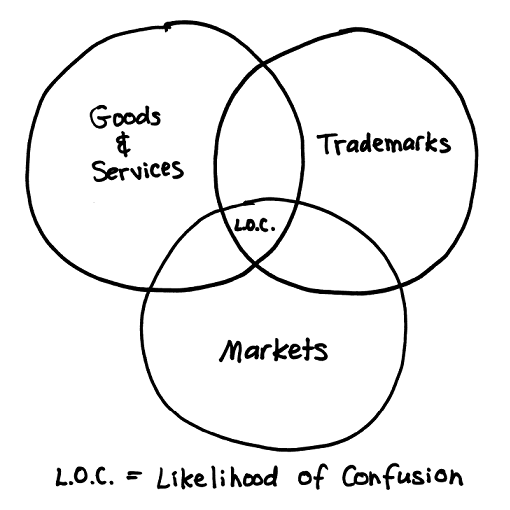
The main aim of a consumer while seeking a particular good or service is finding a distinguished quality and preferred price. Due to the plethora of options available in the physical market and the digital space, there has been an unprecedented growth in the number of counterfeit goods, which misappropriate trademarks resulting in consumer confusion. The initial interest theory is often taken into consideration by judges and courts to understand the psychology of consumers when contemplating similarities between trademarks by considering the imperfect recollection memory of a consumer, the behavioral pattern of a consumer while deciding what to purchase, etc. This theory is further bifurcated into two crucial theories, which can be understood in the next segment.


The Forward Confusion Theory

In infringement cases, it is often witnessed that there is a small entity, which is a new entrant, wrongfully posing as another massive entity to take advantage of the established reputation and goodwill by simply creating consumer confusion while misrepresenting its trademark. A deliberate attempt to create confusion is made to suggest an affinity with a Senior User, which harms the commercial and moral interest of the Senior User as well as that of the consuming audience since such goods often under-deliver and underperform on the scale of quality and quantity.


The Reverse Confusion Theory

The very opposite of the forward theory of confusion is the theory of reverse confusion. In such cases, a consumer fails to distinguish between goods and services of the Junior and Senior User of a mark and associates the underlying products to be originating from the Junior User on account of a robust marketing and a saturated market. The same leads to a lack of recognition of the Senior User causing potential harm. It can be somewhat mindboggling.

The theory came much into the picture in Big O Tire Dealers, Inc. vs. Goodyear Tire & Rubber Co., wherein it was held that "the second use of a trademark is actionable if it simply creates a likelihood of confusion about the source of the first user's products."

Last year, the case of Ironhawk Technologies, Inc. v. Dropbox, Inc. (decided on April 20, 2021) came forth to the Ninth Circuit, where the theory was under much speculation. Herein, the plaintiff was a computer software developer of 'SmartSync' developed in 2004, utilizing compression technology to enable an efficient transfer of data, particularly in bandwidth-challenged environments. Its products were sold majorly to the US Navy. Dropbox brought cloud storage software to be made accessible throughout the world. Its software featured 'Smart Sync' while enabling a user to see and access files in his Dropbox cloud storage account without using up any of the user's hard drive storage. Furthermore, Dropbox launched its Smart Sync feature in 2017 and was previously aware of Ironhawk's SmartSync mark. Ironhawk brought a case against Dropbox for the violations of the Lanham Act alleging Trademark Infringement and unfair competition, pleading that Dropbox's use of the name 'Smart Sync' intentionally infringed upon Ironhawk's 'SmartSync' trademark. At an earlier event, Dropbox had attempted to acquire Ironhawk, evidencing recognition of the competitor. The Ninth Circuit deduced in favor of Ironhawk since it stated that there was a likelihood of reverse confusion. However, when the case went for further trial, Judge Wallace Tashima found the judgment of the Ninth Court to be erroneous since Ironhawk only had a "sophisticated audience," unlike Dropbox, catering to a much wider audience. Therefore, it was found that it was unlikely that reverse confusion may have occurred.


Conclusion: Points of Consideration

There is no rigid test laid down to deduce the application of the theory of reverse confusion; however, courts have developed a case-bade modified multi-factor test. The underlying factors shall be taken into consideration when deciding on reverse confusion:


  • The conceptual strength of the mark - The courts evaluate whether the mark is suggestive, arbitrary, fanciful, or descriptive. The more strength it carries, the more distinctive it is. Therefore, if a mark is more distinctive, there is more likelihood of confusion since the attempt to imitate becomes rather apparent.
  • The similarity between the two marks: The court will determine the visual, ocular, and phonetic difference between the marks while drawing a comparison of the totality of the mark.
  • Possibility of actual confusion: The likelihood of confusion will be assessed considering the adjoining factors like channels of trade and commerce, the consuming audience, the quality and quantity of the product, etc.
  • The intention of the infringer


Even though the courts are bringing to consider such theories of confusion, it will be interesting to observe how they would grant awards supporting the theory since it may land a chilling effect by over-compensating the Junior User.

Wednesday, May 18, 2022

What are Neighboring Rights?


Copyright is that branch of Intellectual Property (IP) that protects and covers all creations that are a culmination of the creative human mind, irrespective of what form or merit they hold and the audience that consumes them. Copyright in creative works is created automatically and immediately, and therefore, it does not require a formal procedure to seek protection from a third party.

Additionally, copyright also vests in people who are not technically the authors of the work created; instead, they are crucial supporters and participants who make the work possible. These could include artists, producers of phonograms & others involved in television, radio & broadcasting. In them, vest certain rights known as the neighboring rights.

Cracking the Basics

The term 'neighboring rights' can be found in the World Intellectual Property Organization (WIPO) Glossary, which can be understood as a right granted to protect the interests of performers, producers of phonograms, and broadcasting organizations relating to the activities of the public use of an author's work. Often the term 'related rights' is also used to mean the same as neighboring rights. The notion of different countries has varied in determining the scope of these rights.

These rights are not essentially the same as copyright, but they are based on works protected by copyright. Most importantly, they offer the same exclusivity as copyright, albeit they do not cover the actual work.

Categories of Neighboring Rights

Neighboring rights can be segregated into three different kinds of categories, which are mentioned below:

  • Performer Rights: These rights vest in performers, which include musicians and actors. They protect their performances against any unauthorized and illicit recording or transmission. The same also gives the power to exploit and guarantee a certain degree of control over the exploitation and remunerations earned whenever these recordings, including their performances, are commercially exploited. It means that only when the performer's content has been legally obtained can the work be communicated to the public; otherwise, it shall be a violation of his neighboring rights.


  • Broadcasting Rights: These rights are vested in a broadcasting organization, including television, radio, or other telecasting providers. It means that where a live performance is facilitated by a broadcaster, he has all the rights to authorize or prohibit the use of the program. Hence, if the same program is recorded and put on the internet for the public to see, it is a violation of the broadcaster's rights.


  • Recording Rights: Similarly, by law, where a sound recording of someone has been recorded with the prior consent of a performer, the performer's consent is further required for any communication that is to be made to the public. Such rights can be enforced by the legal representatives of the performer or artist after his death.

What is the International Guiding Framework?

The Rome International Convention, also known as the International Convention for the Protection of Performers, Producers of Phonograms, and Broadcasting Organizations, specifies that performers have the right to oppose the broadcast, communication to the public, fixing, or reproduction of their performances. The Convention is one of the most crucial conventions on an international level, which was adopted way back in 1961. It is jointly managed and directed by the United Nations Educational, Scientific, and Cultural Organization (UNESCO), the International Labour Organization (ILO), and WIPO.


Apart from the Rome Convention, it is also a part of the TRIPS (Trade-Related Aspects of Intellectual Property Rights) Agreement, 1994, which came into force on 1st January 1995. The Rome Convention 1961 protects neighboring rights for up to 20 years from the end of the year in which the performance, the recording, or the broadcast of the work took place.


Other than the previously mentioned conventions, the WIPO Performance and Phonograms Treaty (WPPT) and the Beijing Treaty on Audio-Visual Performance (BTAP) also protect the performers, producers, and broadcasters in various ways that may appear to be more extensive in nature. They offer protection of neighboring rights for up to 50 years with an increased scope of protection of the rights of performers and producers while expanding into the digital era with the protection extended to the exploitation of protected works even over the internet.


Conclusion

It is imperative that the rights of each contributor in the creative ecology are sustained and preserved to give the due weightage of labor. Also, it is pertinent that in such preservation of rights, the freedom of information and access to knowledge are not compromised and liquidated. Therefore, it is integral to recognize the contribution of all artists related to the primary copyrighted work to incentivize further creation of art and culture by protecting rights underlying sounds, images, or both.

Till now, because of WIPO, authors, performers, and phonogram producers have been granted a broadly worded exclusive right of communication covering all the possible aspects of neighboring rights. It is essential to imbibe such international standards in national regimes to observe an expansion of such rights.


Monday, May 9, 2022

Safeguarding Fashion Shows: Copyright Laws on the Runway


Fashion shows in today's time are more than just a couple of models walking the ramp adorning beautiful clothes and accessories. Contemporary fashion shows involve the projection of stories and performances for which substantial investments and hustling of creative minds are required.

Consider the example of Fendi's iconic defile on the water of the Trevi Fountain in Rome or the angelic performances of Victoria's Secret models coupled with a live music performance by famous artists. These can and should be legally safeguarded to ensure that models ethically enjoy adequate protection.

The First Case to Provide Legal Protection: Ashby v. Gaulme, Kenzo et Lacroix


In the Ashby case, the Supreme Court opened new doors for including fashion shows in the non-exhaustive list of copyrightable works found in Article L.112-2. The case was brought forth by the French Federation of Couture, and five haute couture companies, which included Chanel, Christian Dior, and Hermes, against three photographers for uploading photographs and videos of the fashion shows on a website. A strict system to monitor and regulate the taking of photographs was developed by the French Federation of Couture, as per which Ashby and the other two photographers claimed that they were allowed to upload photographs on the internet to report the current event in consonance with the French Intellectual Property Code and the European Convention on Human Rights.

In the first instance, the photographers were not found guilty; however, the Paris Court of Appeal reversed the decision and gave a rather more elaborate form of protection to this form of art. The Court held that the photographers were guilty of Copyright Infringement not only of the claimants' apparel but also of the fashion shows themselves. Later, the photographers moved to the European Court of Human Rights (ECHR) for the alleged violation of freedom of expression. However, the matter was adjudicated in favor of the claimants again as the ECHR stated that the freedoms envisaged in the European Convention on Human Rights are not absolute in nature and are rather subject to some specific duties and responsibilities in addition to conditions, restrictions, or penalties.

Author of Fashion Shows

Now that it is ascertained that fashion shows can be safeguarded, it is crucial to determine who shall be considered the owner or author of this kind of work. Fashion shows are conducted through the cumulative efforts of several artists like architects, set organisers and designers, sound and light technicians, hairdressers, makeup artists, seamstresses, etc.

One way of safeguarding the rights of each of these contributors is utilizing the option of 'composite works,' where works cannot be segregated into parts. It allows everyone involved in the process to be recognized as a co-author of the component that is a part of the communion regime. Therefore, the same shall entitle all the co-authors to autonomously utilize and exploit the rights vested in the component, which is a culmination of their effort, unless the same is cited differently in writing.

Another way is to utilize the rights under the regime of 'collective works' where different components of the work can be broken down into separate segments. It allows individual and autonomous authorship.

The safest mode of safeguarding these rights is to transfer the rights vested in each individual to a company. It shall ensure that the rights are safeguarded well. Furthermore, it shall ensure that same or similar works are not replicated or slavishly imitated to promote fair competition and mutual appreciation of arts.

Fashion Models as Performers

Artists consist of several kinds of performers, not primarily limited to actors, singers, musicians, or dancers. A reflection of this can be found in the WIPO Performance and Phonograms Treaty stating that protection can be afforded to "actors, singers, musicians, dancers, and other persons who act, sing, deliver, declaim, play in, or otherwise perform literary or artistic works." The Rome Convention also extends a great deal of protection to performers, which can be deduced to be in favor of the rights of fashion models. Despite such interpretations, the national laws and regulations do not recognize the work of fashion models to be included in the definition of 'copyrightable work.' Therefore, this neglect of policymakers requires a shift from the traditional notions and understanding of Intellectual Property Rights (IPRs).

Objection to Treat Fashion Shows as Copyrightable Subject-Matter

One objection against safeguarding fashion shows under the copyright regime is they are a 'volatile' creation. Since they are displayed once and are most likely not to be repeated in the same medium and format, they have insufficient unity and definition. However, the fashion shows these days, as witnessed, often have a plot, a definite storyline, which could theoretically be repeated. However, 'fixation' of work or reproducing the same on paper is a prerequisite for claiming copyright in most parts of the world. But, there are some territories where less stringent laws apply in this aspect. As can be seen under Italian law, fixation is not required for Copyright Protection, and therefore, the oral manifestation of works is also protected. Furthermore, copyright protection in Italy can be granted to creations that vary over time within the lines of a given plot.

Another commonly raised objection is that unlike dramatic works or artistic performances, which primarily have a cultural aim, fashion shows have only an underlying commercial purpose. They are carried out only to support the launch and sale of fashion apparel and accessories. However, most laws do not impose any restrictions on the operation of copyright protection for works that have a commercial purpose. 

Conclusion

Although copyright protection in the domain of fashion shows and runways is comparatively ill-explored, it would be interesting to note how various national policymakers make way for such artists in their legal Intellectual Property (IP) regime. Until the stance on the matter settles, it would be a safer alternative for companies to conclude agreements clearly indicating and defining the scope of IPRs vested in the many contributors that aid in the facilitation of such fashion shows. The same would ensure the due exercise of economic rights in an orderly fashion.


Friday, May 6, 2022

Second Medical Use Claims

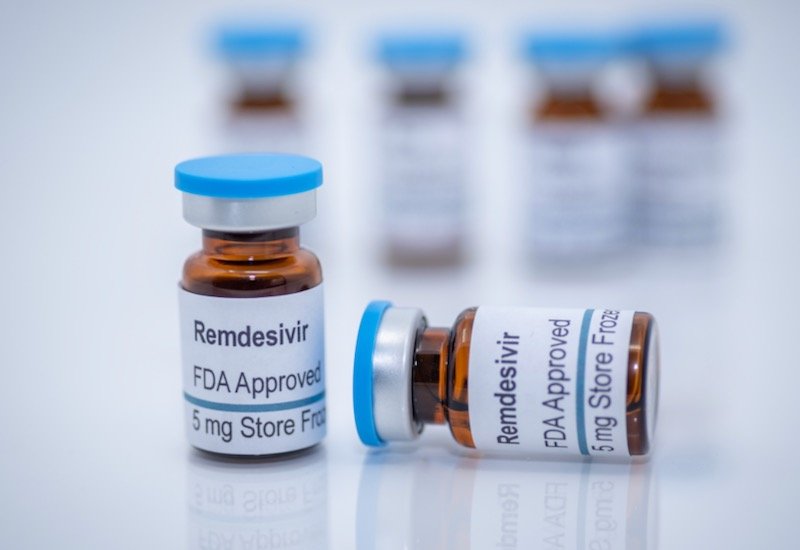
 The repurposing of drugs to find immediate solutions for new diseases is witnessed commonly in the pharmaceutical sector. In recent times, the same is instead a frequent instance to treat flues and viruses, as also perceived while identifying the solution for the Big-C, the 'Coronavirus.' The antivirals used to cater to diseases like HIV and SARS were clinically tested to adjudge their efficacy in the fight against COVID-19. Remdesivir, which was earlier utilized for the treatment of Ebola, is now used as a dose of Coronavirus vaccine. Similarly, acetylsalicylic acid, often known as Aspirin, was developed by Bayer in the year 1897 to treat pain and fever. However, it is now also utilized as an effective cardiovascular medicine that decreases the chances of suffering a heart attack or stroke. While the Patent Law safeguards the exclusive rights of an invention's proprietor up until a specific specified period, it also protects new uses of known drugs. Let us find out how.

Can a Patent be Sought for Second Medical Use Claims?

When a substance or composition is already known for primary medical use, it may still be safeguarded as a patent for a second or subsequent medical use; however, the proprietor must prove that such use is novel and inventive. Furthermore, such patents should be meticulously drafted and litigated.


There are several instances where existing medicines are being developed for new medical uses. Consider the following examples:

  • Sildenafil citrate, which is primarily used for heart and vascular diseases, came to be later marketed as a drug for erectile dysfunction.
  • Finasteride, primarily meant for the treatment of prostate disorders, was at a later stage found to be effective in the treatment of androgenetic alopecia.
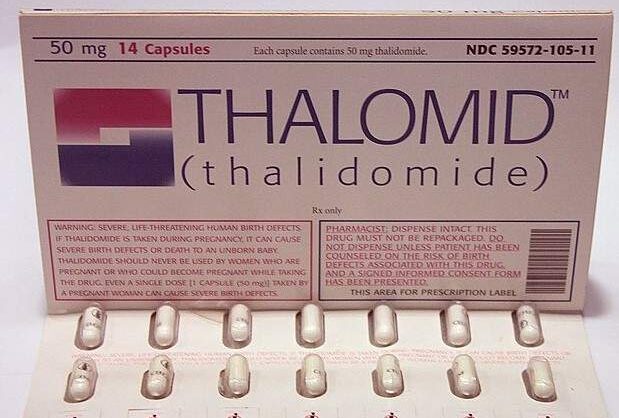
  • Thalidomide was patented for respiratory infections; however, its second use was found to help relieve morning sickness in pregnant women. Also, it was discovered to be useful in the treatment of diseases like leprosy and cancer.

The European Stance on Second Medical Use Claims

Second medical use claims were not permitted until a fairly long period in Europe. However, after 1984's landmark G5/83 decision, second medical use claims began to be acted provided they were written in the 'Swiss-type' format depicting:

"Use of Compound X for the manufacture of a medicament for use in the treatment of Disease Y."


This legal trend of the Swiss-type format was then substituted by the "purpose-related product claims" since it became the new mandate after the EPO Enlarged Board appealed the landmark G2/08 decision. A purpose-related product claim should be in the format depicting:

"Product X for use in the treatment of Disease Y."


The second medical use patent may address the following concerns:


  1. The use of a known drug to treat a new disease ("Known drug/new disease")

In most patent claims, the phrase "for use" is interpreted as "suitable for use." However, second medical use claims are an exception to this generality and are fully use-limited product claims. They can be used for the treatment of multiple diseases by covering them in a single claim, but the treatment of all such diseases must form a single general inventive concept as stipulated under Art. 82 EPC.

  1. The use of a known drug to treat a known disease using a new therapeutic method ("Known drug/known disease/new therapeutic use")

A second medical use claim can also be filed for the treatment of the very same disease in the form of providing a new therapeutic method in the form of a new dosage regime, administration mode, or patient group, as also provided under G2/08.


Issues Surfacing Second Medical Use Claims

Lord Justice Floyd once said, "Whilst it is widely recognized that there are valuable, sometimes life-saving inventions, which are made through the discovery of the new use of a known drug, their protection in patent law is problematic." Let us look into these problematic concerns.


The main reason for claiming a second medical use patent is to prevent third parties and competitors in the market from infringing upon the proprietary rights of the inventor. However, generic drug manufacturers are often seen flouting the laws to seek commercial gains. To prevent such acts of infringement, it is a settled law that purposeful arrangement should be proven. The purposeful arrangement can be understood as a form of use wherein there is a recommendation in the form of a packaging insert, labels, or on medical information slips or prescriptions, which are distributed along with the drug.


Also, it is considered infringement only if the generic manufacturer intends to use the second medical use claims for the treatment of the patented indication, proving which is undoubtedly an uphill battle. Therefore, generic manufacturers adopt the following measures to prevent being trapped in a series of endless litigations:

  • Using "skinny labels" by carving the patented indication from the medical leaflet, which comes along with the medicine;
  • "In-label use" - the use in an indication that is mentioned only generically on the label and not in the specific form that is patented; or
  • "Off label-use" - the use in an indication for which the drug has not received regulatory approval.


Furthermore, the problem heightens when we look at certain jurisdictions that do not offer any protection to second medical use claims. It includes countries like those in Latin America. Even mass producers of generic medicines like India do not afford any rigid and concrete protection against such patents.


Conclusion

It should be understood that inventions in the domain of pharmaceuticals involve great capital expenses and abundant research and development initiatives. Bringing a new molecule itself does not cost any less than one billion, and therefore, this time-consuming process is cushioned if second medical use patents are safeguarded. It is a relatively cheaper route; however, qualifying clinical trials of all stages is yet another elaborate affair. Therefore, laws should address the infringement issue of second medical use patents to protect these claims adequately while also keeping misuse like doubt patenting and illicit activities under check. It shall be interesting to observe how lawmakers juggle around this issue to afford better and affordable protection.

Wednesday, February 2, 2022

Trademark Maintenance: How To Keep Your Trademark Alive & Breathing?

 A


n essential part of a trademark's lifecycle does not begin and end at securing its registration. It is imperative to maintain the mark continuously to benefit from the said registration. The same requires constant vigilance and ensuring all checks and balances that we shall be looking into in this article.


Understanding Trademark Maintenance

Trademark maintenance stands for the activities that enterprises or individual rights holders undertake to ensure the constant validity of their trademarks post-registration. The scope of maintenance essentially includes the following:

  • Filing for Renewal
  • Sending Cautionary Notices
  • Payment of Taxes
  • Filing Affidavit of Use

Let us understand each of these subjectively.

1. Filing for Renewal

The process of filing for renewal may differ in each jurisdiction the renewal action is sought. There is no upper limit set as to the number of times the renewal may be sought. However, the renewal application must be filed if one wants to enjoy the set of rights availed upon registration of the trademark after the lapse of the duration of the trademark, which is usually ten years after the date of application. The responsibility to ensure that the renewal is filed for before the due date lies on the respective rights holder, even though the Trademark Office does generate an auto-intimation mail. Therefore, it is necessary to remember one's renewal date.

2. Send out Cautionary Notices

It is pertinent for the rights holder to make publications to notify the competing parties and the public, in general, that the trademark is his proprietary asset and any infringing behavior will not be tolerated. Doing the same helps establish that the owners have advertised and made efforts to make their mark well known and prevent any person from adopting the said mark dishonestly. Also, where trans-border rights are sought, it helps send out cautionary notices to respective trademark offices that enable advertisements. It holds for countries like Eritrea, Maldives, Myanmar, etc.

3. Pay Your Taxes

The trademark owners must pay the income taxes imposed by their respective governments every year in an orderly fashion and format.

4. Affidavit of Use


In many countries, the declaration of use or affidavit of use is often filed along with the request for renewal. In this legal document, the proprietor of a mark is required to showcase a specimen that the trademark has been used in commerce on one of the goods and services in each international class, as may be claimed in the application for registration. An appropriate example can be the specimen of the label affixed on containers or boxes of the goods, literature available on the goods like sale receipts or invoices, copy of advertisements, etc.

Additional Points of Consideration

  1. Use the Appropriate Trademark for Which You Filed the Application

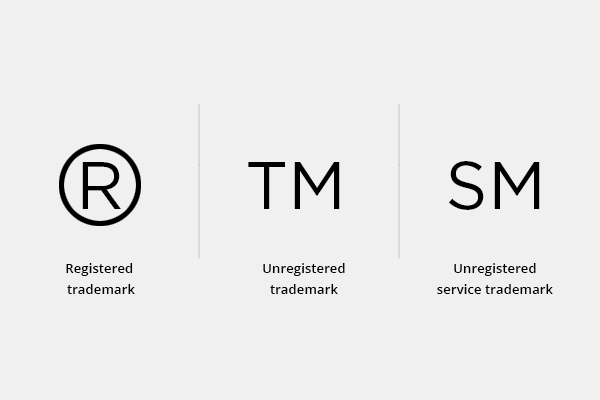
Upon registration of the mark, the rights holder must utilize the same representation of the mark that has been registered since it provides strength to the mark. Furthermore, before obtaining registration, the rights holder shall make use of the 'TM' symbol; however, it is beneficial to use the 'R' symbol post-registration as it enables the public to know that substantial effort and investment has been made by the proprietor to safeguard his proprietary mark.


  1. Don't Give in to Genericide

'Genericide' is a term often used to denote the end of those marks that become so common that they can barely be used to trace the actual origin of the mark to one proprietor. It stands correct for marks like 'xerox,' 'escalators,' and 'Kleenex.' These three were first used as trademarks, but at a later stage, they became generic as people began to identify these as a class of goods itself rather than just a good originating from a particular proprietor, which failed the basic purpose of seeking Trademark Registration. Therefore, it is necessary to address and govern who is using your mark and in what manner.


  1. Constant Vigilance on New Filings

It is necessary to keep a tab on any new filings, not just in the jurisdiction where one has registered his marks but also in prospective jurisdictions where further expansion may be sought. Therefore, a proper Trademark Search should be routinely conducted to ensure that the strength of the mark is not diluted due to a new entrant.


  1. Don’t Shy Away from Enforcing Your Mark

After obtaining registration of the mark, it is necessary to watch out for similar trademarks, which may be riding on your reputation to gain an unfair advantage in the market. Therefore, it requires constant vigilance and taking prompt action against such illegal and unsolicited use of your mark. It also helps create an impression in the market that the rights holder is aware of his rights and will not shy from taking the infringers to court.


  1. Update Your Trademark Portfolio

With time, a rights holder may venture and adapt to newer markets while expanding the scope of his goods and services, which were initially reflected in his Trademark Application. Where any expansion is sought, it is necessary to file for additional trademarks to ensure that the trademark is also reserved for new classes of goods and services.


Consider, for example, that a registered trademark 'XCV' is used for marking school bags and laptop bags; the proprietor also begins to market school uniforms and books at some later stage after establishing the prior business. The same would require him to file another registration for the newly added goods to extend Trademark Protection to those goods as well.


  1. Beware of Scammers

Many cybersquatters are waiting on the fence to extort hefty amounts from proprietors of marks. In addition to such digital nuisance, there is no dearth of scammers on the internet who send out unsolicited third-party mails appearing as if they are associated with some trademark office where one may have registered a trademark. However, these are scammers making suspicious communication, trying to derive vital information and trade secrets from the proprietor. Therefore, it is necessary to be aware of such unscrupulous entries. Many trademark offices make known the public of such entities through public advertisements as well.

Conclusion

Therefore, it can be concluded that with registration comes a set of rights but also a responsibility of maintenance. The actual trademark lifecycle begins only after the trademark has been registered since it requires constant vigilance and directing recourses and attention in the right frame to ensure that no unfair advantage is scraped out in favor of the third parties. The points stated above should be taken into serious consideration to derive the absolute advantage of one's mark.

Monday, December 13, 2021

The Big Deal in the Realm of Patents: From TPP to CPTPP

 The provisions concerning Intellectual Property Rights (IPRs) were rationalized by the enforcement of the Agreement on the Trade-Related Aspects of Intellectual Property Rights (TRIPS). In addition to this Agreement, since all countries, developed and developing, alike have substantially grown and witnessed development in the manner of implementing provisions for providing in times of health crisis, TRIPS-plus measures have been adopted by some member states. To remove any barriers obstructing access to medicines, the Doha Declaration on TRIPS and Public Health and the WTO 2005 Ministerial Declaration introducing Art. 31bis in the TRIPS Agreement were implemented. For fostering better protection, preferential trade agreements (PTA) have also been concluded, of which the Trans-Pacific Partnership and later, the Comprehensive and Progressive Agreement for Trans-Pacific Partnership (CPTPP) have been adopted.


What is the Trans-Pacific Partnership (TPP)?

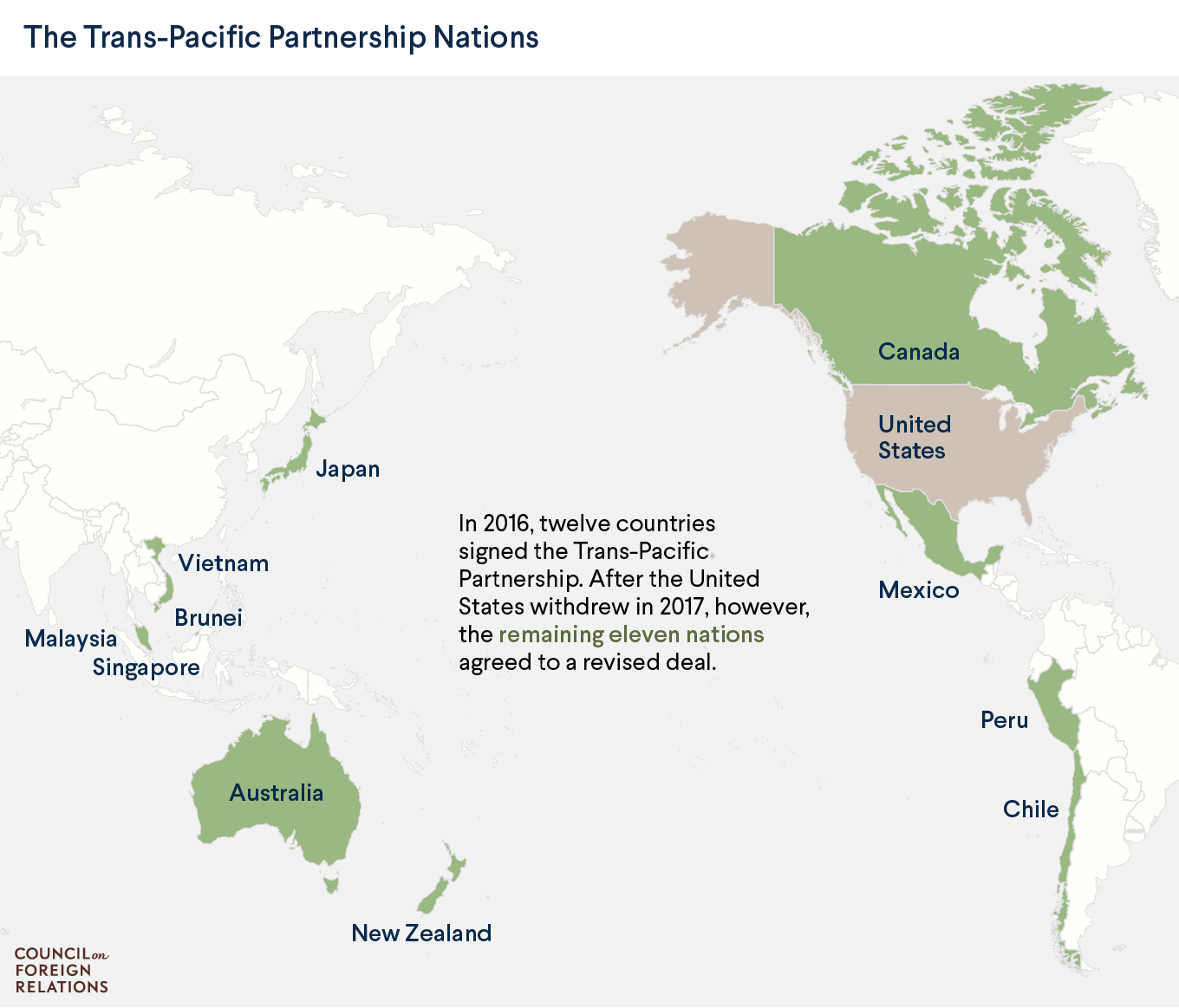
The Trans-Pacific Partnership is essentially a Trade Agreement that is wide in scope to include within its ambit twelve Pacific Rim countries, inclusive of the United States. The Agreement was the master plan of US President Barack Obama; however, it lingered on until Trump assumed presidentship. Due to Donald Trump's decision to withdraw the United States from the world's largest free trade deal, which comprised about forty percent of the entire global economy, the other eleven countries moved ahead while embracing a few changes in the original deal. The new deal came to be known as the Comprehensive and Progressive Agreement for Trans-Pacific Partnership (CPTPP).

The TRIPS Agreement provided for minimum and common standards of protection of IPRs. It also provided that any additional protection may be afforded to complement the provisions within it. In such light came the TPP, which contained provisions on patentability, patent extension, test data exclusivity, and patent linkage that could adversely affect access to medicines. It had the following characteristic features:

  • It broadened the protection for smell, sound, and color trademarks. It also limited marking to protect the use of common food names.
  • It gave additional protection to the trade secrets by proposing criminal sanctions for cyber theft and theft of other trade secrets.
  • It extended protection over undisclosed test data submitted for regulatory approval of pharmaceutical, agrochemical, or biological patents.
  • It also emphasized that the term of protection for copyright shall be set to a minimum of seventy years after the life term of the author of the original work.
  • It also expressed that the patents surrounding biotechnology shall be given extended protection since a majority of the patent term is lost in getting prior approval. Thus, for pharmaceuticals, at least five years of protection shall be mandated, and for agrochemical, the duration shall be at least ten years.

Delving into the Comprehensive and Progressive Agreement for Trans-Pacific Partnership (CPTPP)

The Comprehensive and Progressive Agreement for Trans-Pacific Partnership (CPTPP) or the TPP11 is a trade agreement between eleven countries, namely, Australia, Brunei Darussalam, Canada, Chile, Japan, Malaysia, Mexico, New Zealand, Peru, Singapore, and Vietnam, marking up to 13 percent of the world's Gross Domestic Production (GDP).

The CPTPP can be realized as an improvement of the TPP Agreement since it sought to regain a balance in the provisions dealing with IPRs to serve good not only to the interest the United States may have had but also to the other eleven members. It contains a comprehensive chapter on IPRs that establishes the standard of protection of IPRs across the Asia-Pacific region at a regional scale. It aims to provide for a common set of IPR rules to encourage investment and procuration of new ideas and cater to the growth of creative and innovative industries while also addressing the issue of piracy and counterfeits. The obligations are introduced in the following areas:

  • In the Field of Patents: The parties to the CPTPP agreed to introduce flexibility provided for in the TPP that allowed patent-term adjustment and its tenure restoration to make good for the delays in obtaining marketing approval. However, it did not define what would constitute an act leading to curtailment of the actual term of the patent, which may lead to ambiguity in the enforcement of such measures. It marks the first Free Trade Agreement (FTA) to have included biologics within its ambit to ensure a longer duration (05years/07years) of protection in line with its objective to ensure data exclusivity.
  • In the Field of Copyright: It suspended the obligations provided for in the TPP concerning the term of copyright and related rights. It also suspended the provision dealing with the payment on copyright and related rights, the provision on technological protection measures, and rights management information. The CPTPP also agreed to suspend the provision concerning encryption programs carrying satellite and cable systems. Therefore, the CPTPP does not require Internet Service Providers (ISPs) to monitor, report, or penalize Copyright Infringement.

The Comprehensive and Progressive Agreement for Trans-Pacific Partnership (CPTPP) and Public Health

The major impact of CPTPP is aimed at public health and nutrition, thereby aiming to promote access to medicines. It impacted innovation in the pharmaceutical sector. The key features that facilitate access to health and the facilities thereof are as follows:

1. Patentability Criteria:

In addition to the requirement of the invention being new, involving an inventive step, and having some industrial utility, there are a few additions required to be made in a signatory's domestic legislation. Parties are required to make patents available for either of the following if not all:

  • New uses of a known product;
  • New methods of using a known product; or
  • New processes of using a known product.

It enhances the scope of protection, which may be available to pharmaceuticals.

2. Redefining Pharmaceutical Patents:

Concerning pharmaceuticals, a new pharmaceutical product means a "product not containing a chemical entity previously approved in a member state." It also provides that any unnecessary delays in seeking the approval of pharmaceuticals shall be avoided, and therefore, such measures shall be adopted that would help expedite the processing of marketing approvals.

3. Provision Regarding Test Data Exclusivity:

For maintaining the test data exclusivity, the Partnership Agreement provides that such information shall be safeguarded from any third person who has not obtained the consent of the originator of such information to market the invention or a similar product for at least five years. 

It may have significant loopholes and pitfalls in addition to the possible gains since, on the one hand, it enables and furthers the idea of public health by ascertaining Patent Protection in favor of the patent holder; however, it may prevent or delay the entry of generics. The few takeaways of the CPTPP are summarized below:

  • Low Patentability Standards - It is also known as secondary patenting. Such low standards may be alarming as one single Active Pharmaceutical Ingredient (API) or product may be protected by several patents.
  • Patent extension guarantees that there is no adverse impact of delayed implementation of patents. However, if the term of the original patent is extended by such a partnership agreement, the availability of low-cost generic products may be delayed. Also, such a provision will not enable any improvement for developing countries having unequipped Patent Offices.
  • The provision of patent linkage that provides a member party with the option to deny the generic version to market the patented product where the same is in force unless the act is authorized by the patent holder can be observed as the grant of additional protection to pharmaceutical companies against generics. It may, on the one hand, hamper the introduction of generics into the mainstream market, while on the other hand, it may also prevent substandard products from entering the market by regulating effective control. Furthermore, it may also slow down the Patent System by enforcing stringent measures to curb Patent Infringements, which may not work in favor of developing countries.

Concluding Remarks

The CPTPP is a TRIP-plus standard that has practical implications on the member states. However, since the CPTPP is an agreement laying common grounds, it may act as a level playing field. It would be interesting to observe in the coming years how such preferential trade agreements turn out to be in the long run in their endeavors of achieving healthy and affordable medicines since it is clear how the entry of generics and biosimilars may be delayed. The cost of enforcement may be affordable for developed nations, but it may be an additional challenge for other signatories.

Monday, December 6, 2021

TRIPs vs. Convention on Biological Diversity: Rivals or Partners?

The Convention on Biological Diversity (CBD) and the Agreement on Trade-Related Aspects of Intellectual Property Rights (TRIPS) of the World Trade Organization (WTO) have significant implications for the nexus of Intellectual Property Rights (IPRs), biodiversity, and associated knowledge systems. CBD requires parties to safeguard biodiversity and the traditions and knowledge of the indigenous and other local communities associated with this biodiversity. It also lays down the basic elements for access to biodiversity resources and associated knowledge systems. The TRIPS Agreement obliges member states to modify their national IPR regimes to meet much-enhanced international standards, which can have significant implications for biodiversity and the associated knowledge systems. It is often said that there is a direct conflict between TRIPS and CBD. It needs to be checked whether the two threaten each other or work hand in hand.


Objectives of the Agreements

The TRIPS Agreement

The main objectives of the TRIPS Agreement are:

1.     Establishing adequate and effective levels of protection for IPRs; and

2.     Reducing distortions and impediments to international trade from differing standards of protection. 

The TRIPS Agreement lays down minimum standards for Intellectual Property (IP) protection in several areas. As to inventions, Article 27.1 requires Member Countries to grant patents in all areas of technology without discrimination. Article 27.2 provides a general exception to this. A WTO Member need not grant patents for inventions objected to as being contrary to public order or morality, which includes inventions that would damage the environment. 

Nevertheless, such objections must be serious enough to make it necessary to ban the exploitation of the inventions in the Member's territory. Article 27.3 further allows exceptions for plants, animals, and essentially biological processes. However, TRIPS requires some effective protection for plant varieties, whether by patents or otherwise ('Sui Generis' protection, such as plant breeders' rights under UPOV).


CBD

The main objectives of CBD are:

1.     Protecting the biodiversity; 

2.     Promoting its sustainable use; and 

3.     Sharing the benefits of such use equitably between providers and users. 

CBD recognizes that some genetic resources have commercial potential. The Convention's measures go further than encouraging benefit-sharing. They are designed to vigorously promote activities (including co-operation in research and development and private investment to develop genetic resources) needed to create the products or technologies that will give rise to benefits to be shared. Thus, the Convention includes provisions that are based on voluntary co-operation and voluntary licensing of rights and which require respect for IPRs (i.e., Article 16).

The Convention also explicitly recognizes and supports "adequate and effective protection" for IPRs (Article 16.2). It reflects the understanding reached during CBD negotiations, as per which, in technology transfers under CBD, IP must be respected. CBD was explicitly tailored to avoid a conflict with the other major instruments dealing with IP Protection, namely, the then-nascent TRIPS agreement.

Areas of Conflict

The primary area of conflict is that while CBD assigns sovereignty in biological resources to the countries that possess them, TRIPS allows these resources to be patented. Within one country, the state's sovereignty takes precedence, and the CBD framework may prevail. But between a foreign IPR holder and a sovereign state, the state's jurisdiction is limited and cannot countervail the IP rights holder. It is, therefore, argued by many that TRIPS takes away rights that are given by CBD. Furthermore, the concern is that patenting of genetic resources encourages unsustainable use and also encourages 'biopiracy.'

Also, TRIPS states that patents must be provided for all fields of technology; therefore, the use or exploitation of biological resources must be protected by IPRs. There is no mechanism for sharing benefits between a patent holder in one country and the donor of material in another country from which the invention is derived. CBD, on the other hand, gives developing countries a legal basis to demand a share of benefits. TRIPS does not have any provision requiring prior informed consent for access to biological resources, which may subsequently be protected by an IPR. CBD gives states the legal authority to diminish the incidence of biopiracy by requiring prior informed consent. TRIPS ignores this authority and thus promotes biopiracy.

The safeguarding of public health and nutrition, and the public interest in general, shall be subject to the private interest of IP rights holders as reflected in the provisions of the TRIPS Agreement. Parallelly, CBD places the public interest and common good over private property and vested interests. TRIPS is directly contradictory to this.

Resolving the Conflict

IP protection per se does not contribute to the preservation of biological diversity (except perhaps in a few instances where the deposit of biological material for patent purposes helps to preserve ex situ what subsequently becomes lost in situ). However, it seems beyond doubt that it can help to encourage uses, including sustainable uses of biological material, in the same way as IP protection helps to encourage all novel uses. Above all, it can contribute to equitable sharing of the benefits of such use. Economists tell us that most of the benefits of innovation (particularly agricultural innovation) go ultimately to consumers. IPRs provide a method of recovering some of these benefits from consumers by way of higher prices. These benefits are then available, at least in principle, not only for paying for research and development but also for sharing with the providers of essential biological materials. Without IP protection, such benefits cannot be recovered.

Finally, it should be noted that if any of the provisions of CBD and the TRIPS agreement were found to conflict, it would be the TRIPS Agreement that controls for state parties to both treaties. Under the Vienna Law on Treaties, the agreement either later (in time) or clearer and more specific on the issue will control. In the case of the TRIPS Agreement and CBD, both factors would result in the TRIPS Agreement controlling for state parties to both treaties.

Best Practices

TRIPS and CBD can work as partners in the long run. For ensuring that both the agreements work hand in hand, the following best practices need to be followed:

  • Recognize that CBD has primacy over the WTO, specifically in biodiversity and traditional knowledge systems.
  • Ensure that the review of the TRIPS Agreement allows sovereign states to exclude all life forms and related knowledge from IPR systems. 
  • Urgently recognize a priori collective rights of indigenous people and local communities over their biodiversity and related knowledge.


Understanding the Concept of Destination Branding through Trademark Protection

 The hospitality industry of India has undoubtedly become an exceedingly crucial service provider across the nation. Due to the increase in ...